
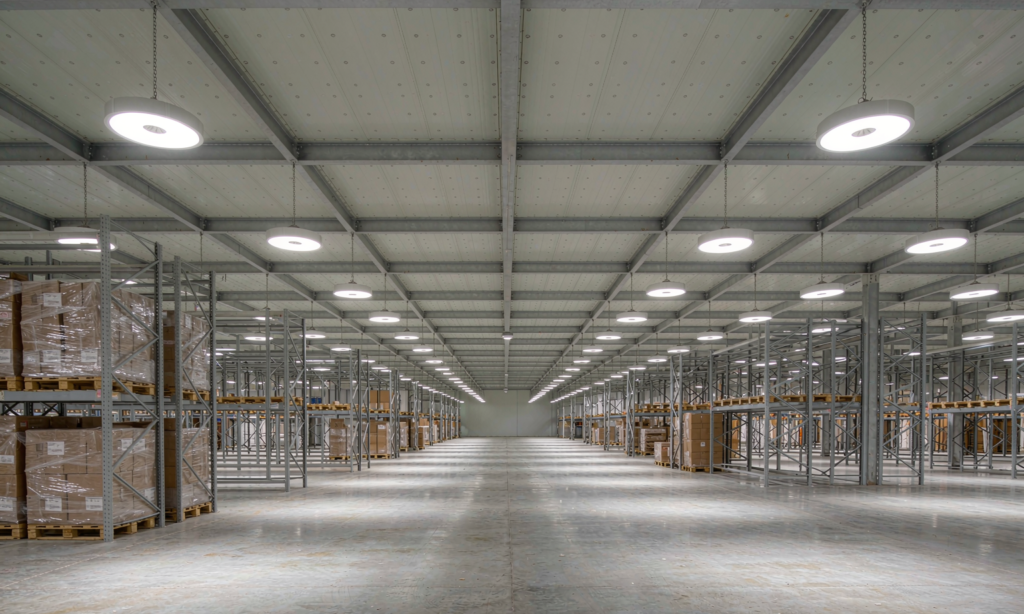
Direct answer: DLC Premium pays back when two things are true at once: the utility program pays a tiered incentive for Premium listings, and the controls that Premium certification forces onto the fixture actually get commissioned. The efficacy gap alone almost never justifies the price difference. On a typical 100-fixture high-bay retrofit, the energy saved by moving from a Standard-tier to a Premium-tier fixture is worth roughly $15 per fixture per year — the rebate delta and the sensor savings are where the money actually is.
Both tiers sit on the same Qualified Products List, clear the same safety prerequisites, and are screened by the same utility programs. Premium is not a different certificate — it is a harder row of the same table: higher efficacy, stricter lumen maintenance, a verified driver thermal margin, and mandatory controls capability. Whether that row returns money depends on the project, not the catalog. Here is how the two tiers actually differ under SSL V6.0, and how to decide.
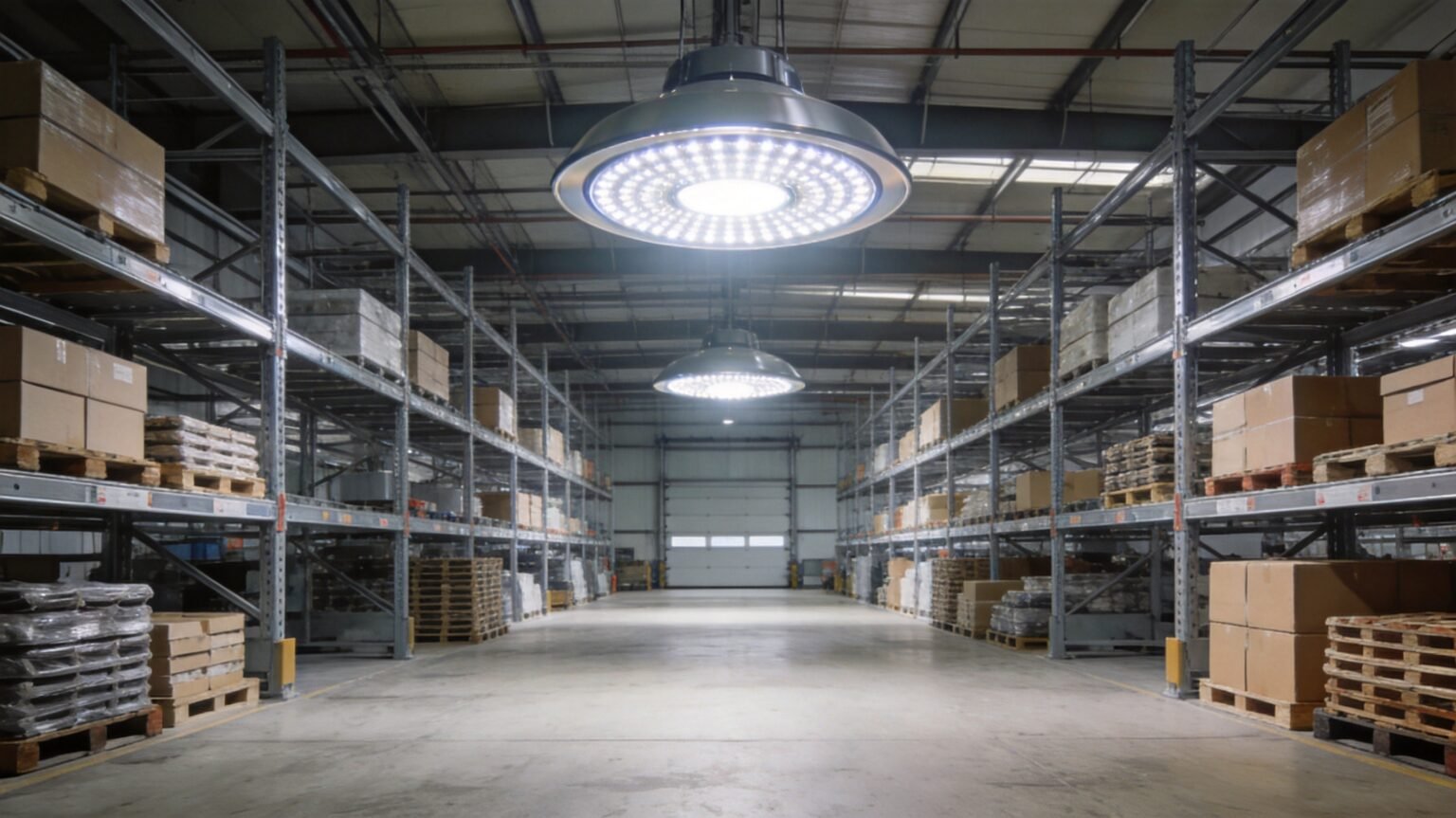
What actually separates Standard from Premium
Every QPL entry carries one of two classifications. Standard means the fixture clears the DLC’s baseline thresholds for efficacy, color quality, lumen maintenance and electrical performance. Premium means it also clears a second, higher set. The commercial consequences are concrete: many utility prescriptive schedules list a higher dollar amount per Premium fixture, some programs and stretch codes credit Premium products specifically, and Premium is the tier that performance-based procurement specifications name.
Three Premium requirements do most of the filtering work. The higher efficacy threshold is the obvious one. The driver thermal test — the ISTMT — is the one that quietly eliminates cheap builds. And the controls requirement is the one buyers consistently under-read, because it changes what ships in the box and what someone has to commission on site.
The V6.0 reset moved the floor in 2026
SSL V6.0, finalized on November 3, 2025 and open for applications since January 5, 2026, raised efficacy thresholds by roughly 14% for Standard and about 12% for Premium against V5.1, removed minimum light output requirements, and tightened dimming behavior. In many categories, a V6.0 Standard listing now sits at or above where V5.1 Premium was. That has a direct purchasing consequence: a fixture quoted as “DLC Premium” under V5.1 may requalify only as Standard under V6.0 — or leave the QPL entirely on December 15, 2026, when V5.1 and LUNA V1.0 entries are delisted.
| Requirement | DLC Standard (V6.0) | DLC Premium (V6.0) |
|---|---|---|
| Efficacy | Category-specific threshold, raised roughly 14% vs V5.1 | Higher threshold, raised roughly 12% vs V5.1; in many categories now near old Premium levels |
| Dimming | Continuous dimming to 20% or below; outdoor products may use step dimming | Continuous dimming to 10% or below, mandatory |
| Controls | Not required | Required — Controls Category 0 products are ineligible; a factory-installed sensor receptacle, an integral sensor, or an NLC-ready controller must be part of the product |
| Driver thermal | Not required | ISTMT report: the measured driver case temperature at the manufacturer’s TMP must not exceed the rating the driver maker publishes for 50,000+ hour life |
| Lumen maintenance | L70 at 50,000 hours via TM-21 projection | Same L70 floor plus a stricter maintained-output requirement — historically an L90 projection of 36,000 hours; confirm the current figure in the technical requirements table |
| Chromaticity | Wider tolerance, typically 7-step MacAdam | Tighter tolerance — 4-step for most indoor categories; high bay and outdoor stay at 7-step |
| Glare | No UGR requirement | UGR requirement applies to troffers only |
Two nuances worth flagging. Premium eligibility is not available across the whole list — specialty primary use designations have historically been excluded. And the efficacy figures above are structure, not product-specific numbers: pull the actual threshold for your category and wattage from the current technical requirements table before you compare quotes.
Driver ISTMT: the requirement that kills cheap builds
ISTMT stands for In-Situ Temperature Measurement Test. An accredited lab measures the driver’s case temperature inside the finished luminaire, at the exact spot the driver manufacturer designates for thermal measurement. The measurement passes only if it sits at or below the maximum case temperature at which the driver maker guarantees more than 50,000 hours of life. Every distinct driver used in a product family needs its own report.
Buyers should care even though they will never see the report. A fixture can hit an impressive lumen-per-watt number on the bench by driving the LEDs hard and tucking the driver into a hot pocket of the housing. It measures fine on day one. The ISTMT is the DLC’s mechanism for verifying the thermal margin that keeps the driver — statistically the first component to fail in a high bay — alive past its warranty. Premium efficacy numbers are therefore not just brighter on paper; they are typically achieved with more conservative thermal design, and that is a durability argument that has nothing to do with rebates.
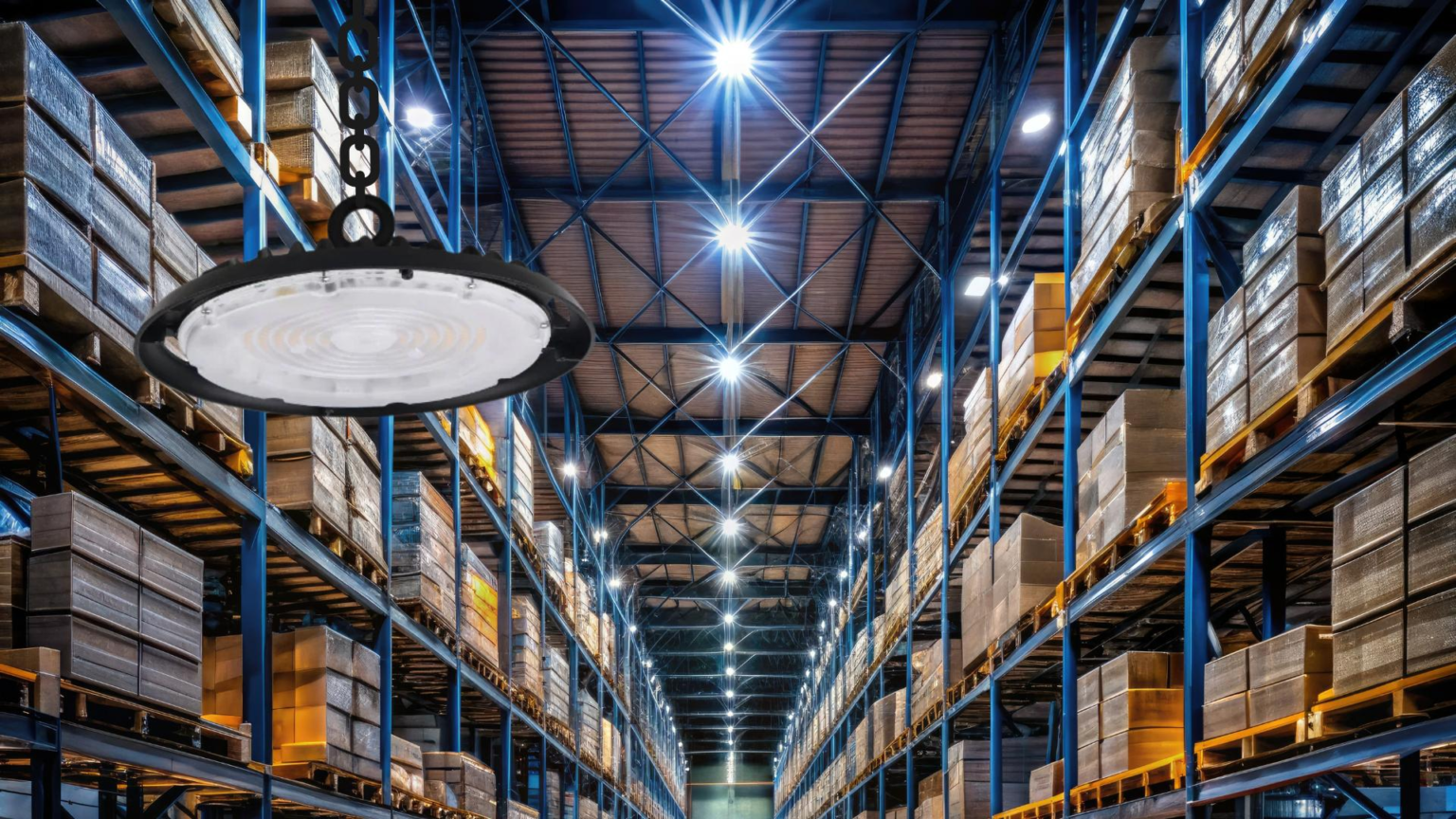
What the tier is worth in rebate money
North American rebate programs come in two shapes. Prescriptive programs pay a fixed dollar amount per fixture, often tiered by category and DLC classification. Custom programs pay against calculated or metered savings, where the QPL entry supplies the baseline data. The DLC’s own materials state that roughly three-quarters of North American energy efficiency programs — approaching 700 programs — rely on the QPL as their eligibility screen. How a fixture gets onto that list under V6.0 is its own process, with application paths, fees and review timelines that are worth understanding before you promise a customer a rebate.
The Premium bonus varies by program, but a commonly cited range in US commercial programs is $20–$50 more per fixture than the Standard listing of the same category, and some utilities run separate, higher incentives for networked-controls projects. Two structural rules matter more than the headline number: many programs require pre-approval before installation, and many cap total incentives as a share of project cost. Look up the actual program in the DSIRE database before you price the tier — not after the purchase order.
Running the numbers on a 100-fixture high-bay retrofit
Here is the arithmetic that decides the question, with deliberately round assumptions you should replace with your own: 30,000-lumen high bays, 4,000 operating hours per year, electricity at $0.12/kWh, the Standard unit at 130 lm/W and the Premium unit at 150 lm/W, an incremental fixture price of $40, a Premium rebate bonus of $30, and occupancy-based controls commissioned on the Premium fixtures.
| Item | DLC Standard | DLC Premium |
|---|---|---|
| Input power per fixture (30,000 lm) | about 231 W | about 200 W |
| Annual energy per fixture (4,000 h) | about 924 kWh | about 800 kWh |
| Energy cost per fixture per year | about $111 | about $96 |
| Occupancy-based controls savings | none fitted | about $19/yr at a typical 20% reduction |
| Rebate per fixture | baseline amount | baseline plus the Premium bonus |
| Incremental fixture cost | — | +$40 |
| Net position | reference case | the rebate bonus usually covers the price delta on day one; roughly $34/yr of energy saved thereafter |
Read the honest conclusion out of that table. At $0.12/kWh, the efficacy difference alone is worth about $15 a year per fixture, so a $40 price premium pays back on energy in roughly two and a half to three years — respectable, not spectacular. What collapses the payback period is the rebate bonus, which by itself often covers the incremental fixture cost immediately. If your program pays no Premium bonus, the decision quietly becomes a straight efficacy purchase, and a well-priced Standard fixture frequently wins. Run the project-level calculation the same way you would for any retrofit, with your own tariffs, hours and quoted prices — the structure above transfers directly.
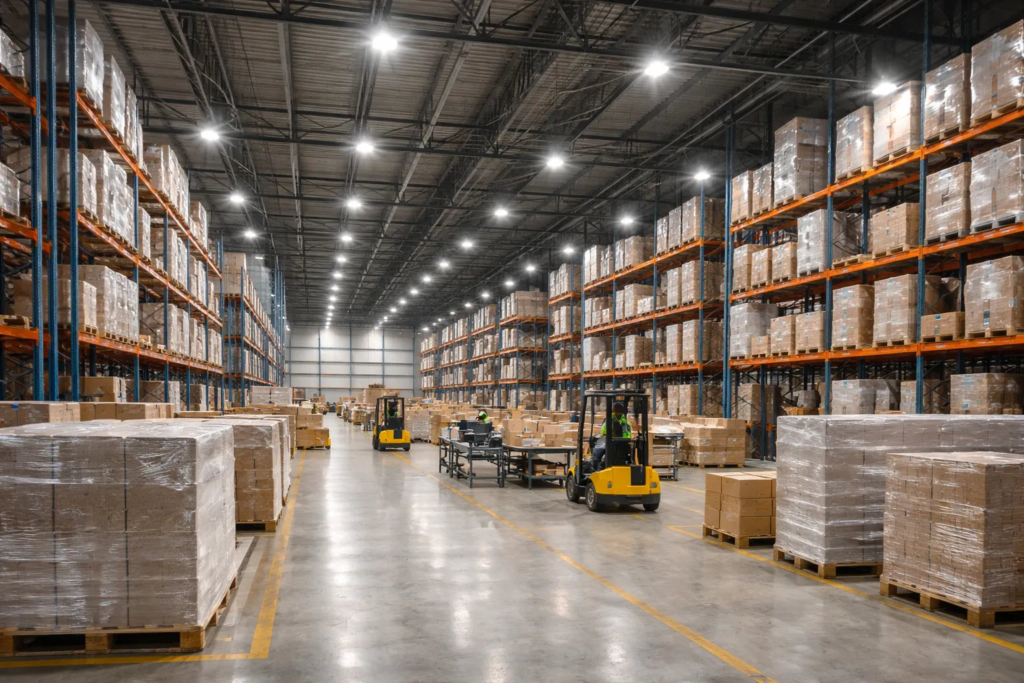
When Premium is the right answer — and when it is not
| Situation | Better choice | Why |
|---|---|---|
| The utility pays a tiered prescriptive rebate and pre-approval is feasible | Premium | The bonus frequently exceeds the price delta, and the controls capability rides along as a bonus |
| Aisles sit empty for much of the shift and sensors will actually be commissioned | Premium | Occupancy-based dimming is where the second tranche of savings lives; controls-capable hardware that is never commissioned earns neither |
| The program pays a flat amount per fixture regardless of tier | Standard | Paying for efficacy the rebate structure does not reward rarely clears |
| Fixtures will sit in stock or in open quotes past December 2026 | Either — but verify the version | V5.1 entries are delisted on December 15, 2026; confirm the QPL entry is V6.0 |
| 24/7 operation, cold storage, or high ambient temperatures | Premium, case by case | The ISTMT thermal margin matters more as ambient temperature rises; verify against the manufacturer’s driver data |
What to verify on the QPL entry before you commit
- The classification is printed on the QPL entry itself — Standard or Premium — not claimed on the datasheet.
- The listing version. After December 15, 2026, only V6.0 and LUNA V2.0 entries remain on the active list.
- The controls category and what actually ships: a factory-installed sensor receptacle is not the same as a sensor in the box.
- That the exact model number and options code you are buying match the listed entry — family listings cover configured variants, not every possible option combination.
- The program’s pre-approval and documentation deadlines before anyone installs anything.
Frequently asked questions
Is DLC Premium a legal requirement?
No. DLC listing is not a regulation — it is the screening mechanism most utility rebate programs use. You can legally sell and install non-listed fixtures; in most territories you just cannot get paid to.
Can a fixture be Premium under V5.1 but only Standard under V6.0?
Yes, and it is common, because V6.0 raised thresholds in most categories. Ask suppliers for the classification under the current version, and treat a V5.1 Premium claim on a 2027 project as a question, not an answer.
Does Premium guarantee better light quality?
Not by itself. Premium tightens chromaticity tolerance and adds driver thermal verification, but the CRI floor is similar across tiers. Judge color on the LM-79 report and TM-30 data, not on the tier label.
Do installed V5.1 fixtures need replacing?
No. The December 15, 2026 delisting affects rebate eligibility for products specified and purchased after that date. What needs auditing is stock, open quotes and submittals — not the fixtures already on the ceiling.
Who pays for the controls Premium requires?
The fixture price usually rises to include the sensor receptacle or the controls-ready driver; the sensors themselves are typically a separate line item. Some programs pay separate controls incentives that can offset that line entirely, which is one more reason to read the program manual before specifying.
This article is a procurement guide, not legal advice. Confirm requirements for your specific product and market with a qualified compliance provider.
