
Why Emergency Lighting Sourcing Is Different
Regular lighting is about efficiency and aesthetics. Emergency lighting is about legal compliance and saving lives.
This matters for wholesale buyers because specification mistakes are expensive: rejected shipments, failed inspections, project delays, and liability exposure.
I watched a UK distributor lose a £200K project contract because their emergency luminaire samples failed photoluminescent requirements. They hadn’t read the fine print.
The Key Standards You Need to Know
EN 1838 (Europe)
- Minimum illuminance: 1 lux on floor along escape routes
- Minimum illuminance: 5 lux in open areas (escape route intersections)
- Duration: Minimum 1 hour (3 hours increasingly required)
- Recharge time: 24 hours to full charge
IEC 60598-2-22 (International)
Defines construction requirements for emergency luminaires: battery requirements, indicator lights, testing provisions.
NFPA 101 (United States)
IBC (International Building Code) references NFPA 101 for life safety. Specific requirements vary by occupancy type. Emergency lighting required for exit routes and areas ≥ 100 sq ft.
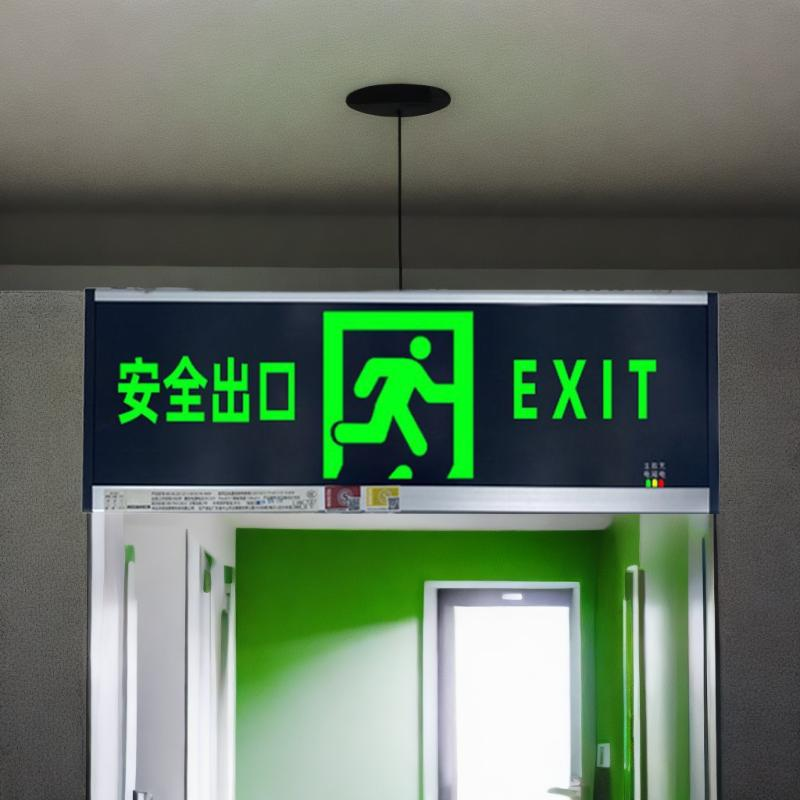
Types of Emergency Lighting You Should Stock
Maintained vs Non-Maintained
Maintained: On continuously, functions as normal light + emergency backup
- Required in many European applications
- Easier to test and maintain
- Better visibility during normal operation
Non-Maintained: Only activates during power failure
- Lower energy consumption
- Common in North American installations
- Requires visible indicator lamp for status monitoring
Central Battery vs Standalone
| System | Pros | Cons |
|---|---|---|
| Central Battery | Unified testing, consistent performance | Higher installation cost |
| Standalone (Self-Contained) | Easy retrofit, lower upfront cost | Individual battery maintenance |
Critical Specs Your Customers Will Ask About
When sourcing emergency luminaires, verify these specifications:
Lumen output in emergency mode: Often 10-15% of normal output. Know your project’s minimum requirements.
Battery type: NiCd vs NiMH vs Li-ion. Li-ion is becoming standard—longer life, better performance at temperature extremes.
Temperature range: Battery performance degrades in extreme temperatures. Warehouse applications in cold climates need wide-temperature-range batteries.
Testing requirements: Self-test function (per IEC 62034) is increasingly standard. Reduces maintenance labor.
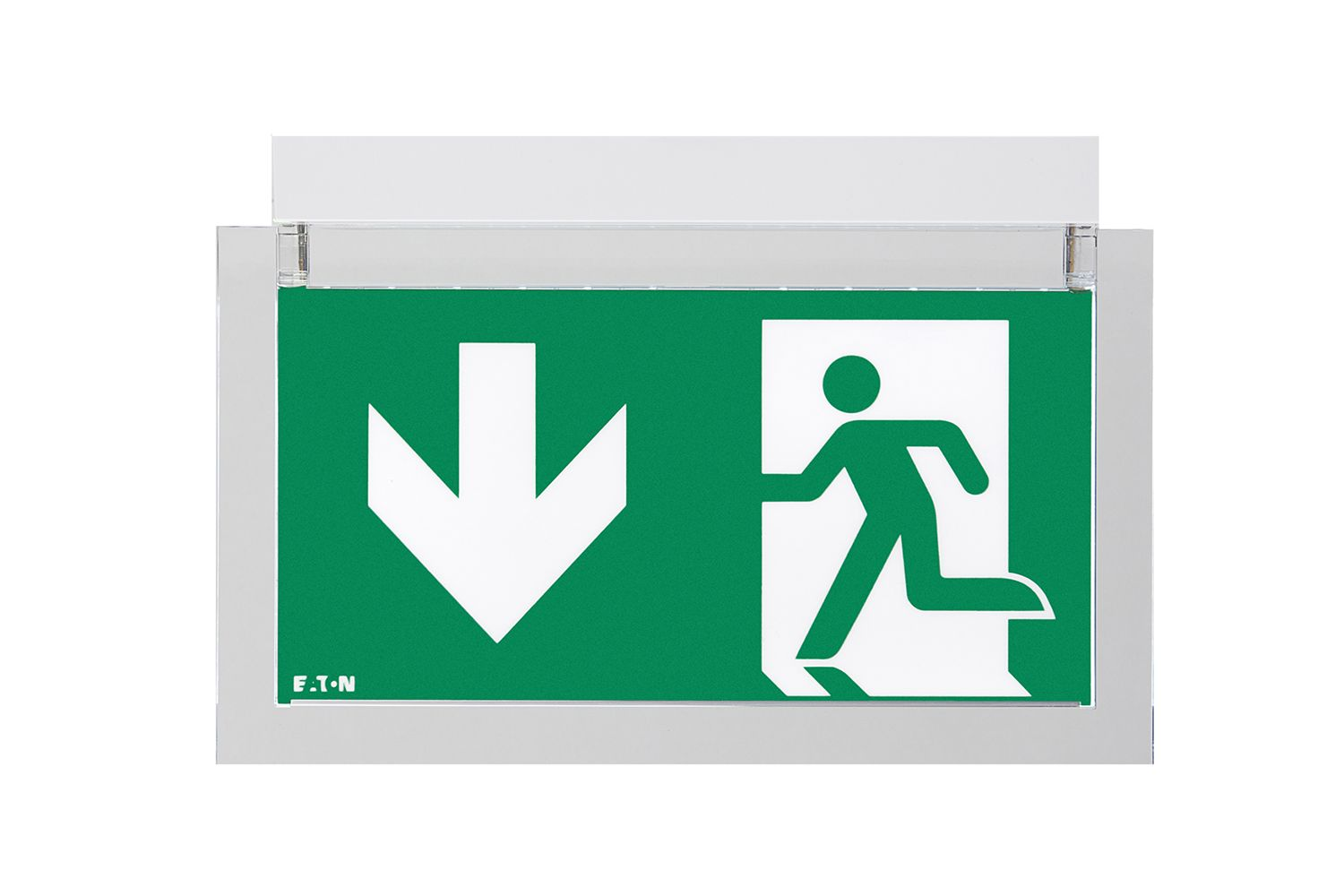
Country-Specific Requirements Quick Reference
- Germany (DIN 0103): 1 lux minimum on centerline of escape route, maintained luminaires in public buildings
- United Kingdom (BS 5266): EN 1838 based, 3-hour duration common, maintained systems in most commercial buildings
- France (NF C 71-830): EN 1838 based, specific requirements for certain building types
- Australia/New Zealand (AS/NZS 2293): Different measurement criteria, specific spacing requirements
- Middle East: Often follows EN 1838, but projects may specify additional local requirements
Red Flags When Qualifying Emergency Lighting Suppliers
1. No test reports
Any legitimate manufacturer provides: photometric test reports, battery cycle test data, temperature performance data.
2. “Universal” claims
“If it works everywhere” usually means it doesn’t meet any specific standard properly. Push for documentation.
3. Missing battery certification
Batteries must be certified separately. Generic “high-quality batteries” without specifications are a warning sign.
4. No IP rating for outdoor emergency fixtures
Weather-rated enclosures are mandatory for exterior installations.
For Your Next Project
Emergency lighting is unforgiving: failed inspection means red tags, project delays, and liability.
When evaluating commercial LED suppliers, ask specifically about:
- EN 1838 or NFPA compliance documentation
- Battery specifications and certifications
- Self-test and monitoring capabilities
- Temperature range for battery performance
Our LED catalog includes emergency-rated luminaires for projects requiring compliance documentation.
Stocking emergency lighting isn’t like regular inventory: it requires technical knowledge and specification rigor. The buyers who understand the standards don’t just avoid problems—they win the projects that others lose.
