
Commercial Project Lighting Standards: The Regional Codes That Actually Affect Your Spec
Here’s a dirty secret about commercial lighting specifications: most buyers focus entirely on lumens, watts, and efficacy. They treat lighting like a commodity purchase and wonder why their project fails inspection or gets flagged during value engineering.
The reality is that commercial lighting is heavily regulated. And those regulations vary significantly by region, application, and project type. Ignore them and you’re not just risking rejection – you’re potentially creating liability.
Why Standards Exist (Beyond Obvious Safety)
Lighting standards aren’t arbitrary bureaucratic hurdles. They’re responses to real problems:
Energy codes exist because commercial buildings account for massive electricity consumption. Lighting is low-hanging fruit for efficiency mandates.
Safety standards exist because poorly designed lighting creates accidents – glare causing temporary blindness, insufficient illumination causing trips and falls, emergency lighting failures causing panic.
Environmental regulations exist because light pollution is a documented problem. Overlit parking lots create skyglow that affects wildlife, disrupts sleep patterns, and wastes energy.
Accessibility requirements exist because lighting design affects how people with visual impairments navigate spaces.
Understanding the “why” behind standards helps you make smarter spec decisions. A requirement that seems annoying might actually be protecting you from liability.
The Major Standards Bodies You Need to Know
ASHRAE/IES in North America
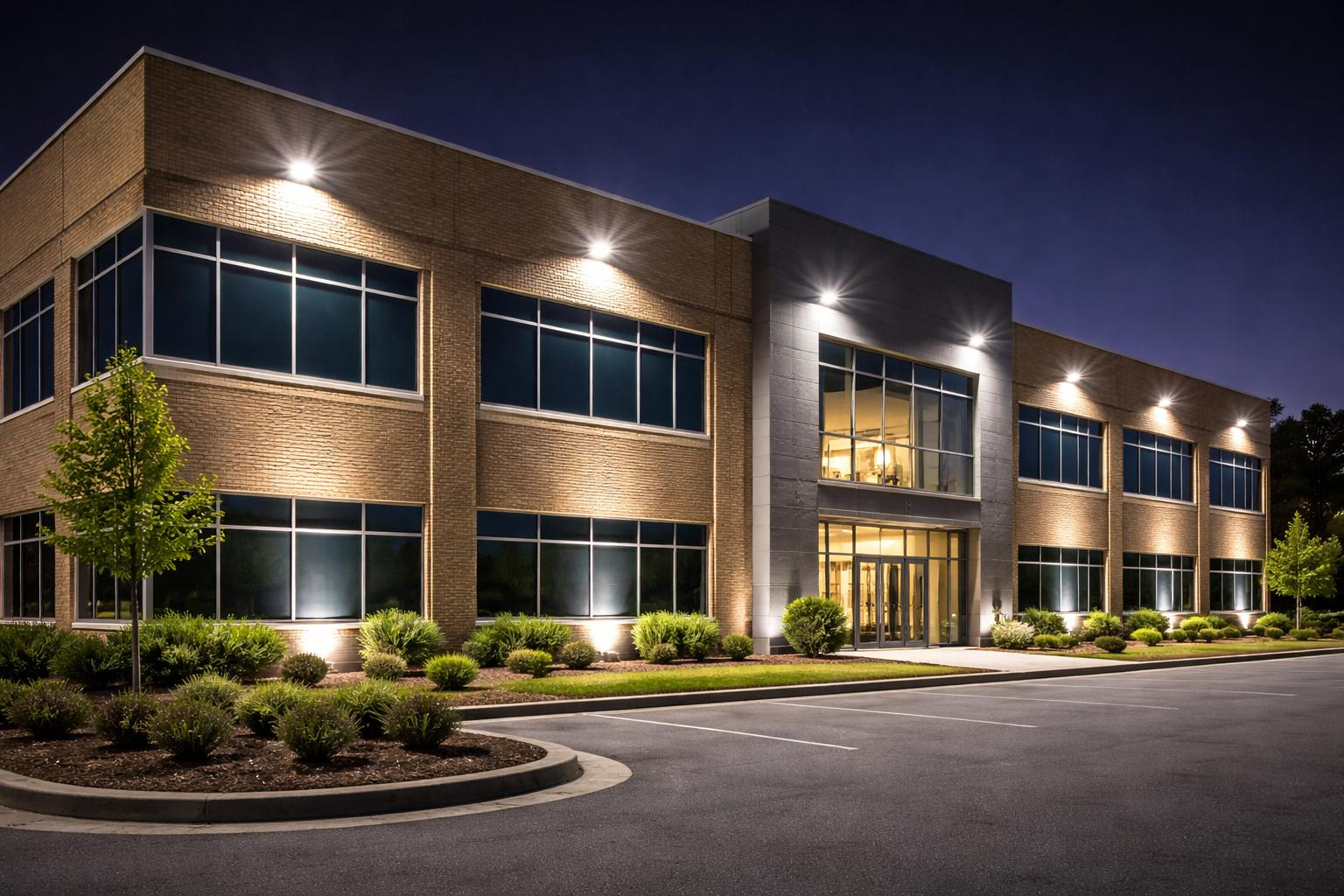
ASHRAE 90.1 is the energy standard most US commercial projects reference. The current version (90.1-2022) has become increasingly strict about lighting power density (LPD) – the maximum watts per square foot allowed.
Key implications:
– Mandatory lighting controls: You can’t just spec fixtures anymore. Controls are now required, not optional
– Automatic shutoff: Spaces must have occupancy sensors or time-based scheduling
– Tunable/interior circadian lighting: New requirements for certain building types
The IES (Illuminating Engineering Society) publishes the lighting criteria tables that define “what good looks like” – foot-candle requirements for different task areas. These aren’t energy requirements; they’re quality requirements.
IEC in Europe
IEC 60598 is the lamp and luminaire safety standard series. If you’re sourcing fixtures for European projects, CE marking (which references IEC standards) isn’t optional – it’s legally required.
The Energy-related Products (ErP) Directive sets efficiency requirements that have effectively banned certain low-efficiency lamp types across the EU.
GB Standards in China
China’s GB standards have historically lagged European requirements but have been catching up rapidly. GB 50034 sets lighting power density limits similar in concept to ASHRAE 90.1.
For export-oriented manufacturers, understanding GB standards matters because Chinese factory certification testing often references these standards.
Regional Variations That Will Surprise You
Here’s where things get interesting. The same application can have dramatically different requirements depending on where it’s located:
Parking Structures
US (IES/ASHRAE): 1-3 foot-candles average, uniform ratio 6:1 max (no dark spots). Many jurisdictions now require LED-only for new construction.
EU: EN 13201 is the road lighting standard, which often extends to parking structures. Requirements vary by traffic intensity classification.
Middle East: Often reference a mix of European and US standards, with additional requirements for thermal management given extreme ambient temperatures.
Warehouses
US: ASHRAE 90.1 Table G3.1 specifies lighting controls requirements. High-bay spaces need continuous dimming for vacant periods. Occupancy sensing is mandatory.
EU: Different requirements for storage vs. working areas. Picking aisles have different criteria than bulk storage.
Australia: AS/NZS 1680 covers interior lighting, with specific requirements for industrial spaces that reference task illumination levels.
Office Buildings
US: ASHRAE 189.1 or IgCC for “green” projects, stricter than baseline 90.1. Daylight harvesting is increasingly required for perimeter zones.
EU: EN 12464-1 specifies task illumination levels. Task-ambient approaches (lower general lighting with local task lighting) are more accepted than in the US.
Outdoor Area Lighting
Dark sky compliance: This is where regional differences become dramatic. Arizona, New Mexico, and parts of California have strict ordinances requiring full cutoff fixtures that prevent light going above horizontal. Other regions have no such requirements.
Fixture selection implications: If you’re supplying to projects in Arizona, you need different fixtures than for Florida. The same luminaire may not be specifiable in both locations.
The Controls Complexity
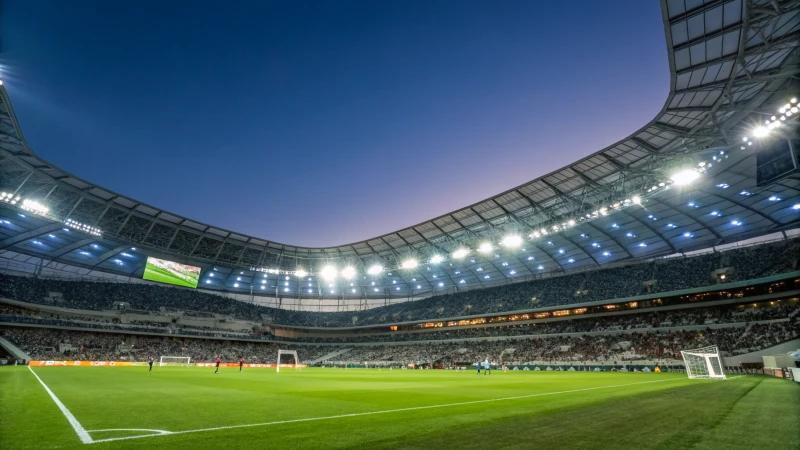
Modern standards have made lighting controls non-optional. This creates a problem: controls integration is technically complex and often under-specified.
Control Protocols to Know
0-10V: Simple analog dimming. Reliable but dated. One-way communication – the controller doesn’t know fixture status.
DALI (Digital Addressable Lighting Interface): Bidirectional, individual fixture addressable. Expensive but flexible. Allows grouping, scene setting, and status reporting.
BACnet: Building automation integration protocol. Lighting is increasingly required to interface with building management systems.
Zigbee/Z-Wave: Wireless protocols popular for retrofit projects. Less reliable than wired but easier to install.
Casambi: Bluetooth-based wireless controls platform. Gaining traction for commercial projects due to app-based commissioning.
The Commissioning Problem
Here’s what happens on many projects: fixtures are specced correctly, controls are installed, and then nobody properly commissions the system. The result is a “smart” lighting system that operates in default mode 100% of the time.
ASHRAE 90.1 now requires functional testing of lighting controls. This means documentation and verification that controls actually work as specified. Poor commissioning is a leading cause of lighting systems not meeting energy code compliance.
Documentation Requirements
Different project types require different documentation:
LEED-Certified Projects
- Lighting control narrative
- Submittals showing fixture efficacy
- Controls sequence of operation
- Commissioning verification
Municipal/Government Projects
- Buy American or Buy Clean requirements may apply
- Specific efficacy minimums (often higher than code minimum)
- Testing and inspection requirements
Commercial Real Estate (Shell/Core)
- Base building vs. tenant improvement separation
- Transformer and panel capacity coordination
- Emergency egress lighting separate circuits
The Specification Approach That Works
After years of writing specs for commercial projects, here’s my framework:
1. Start with applicable codes, not desired fixtures
List every code that applies:
– Energy code (ASHRAE 90.1, Title 24, etc.)
– Safety standards (UL, CE, CCC)
– Application-specific requirements (ADA, OSHA, local ordinances)
– Green building certifications if applicable
2. Convert code requirements to fixture specifications
Code says “maximum 0.8 W/sq ft in office areas” → calculate allowed wattage for the space → specify fixtures that fit within the envelope with appropriate controls.
3. Add value-engineering headroom
Spec higher than minimum code where appropriate. Value engineering cuts happen; if you’re at the minimum, you’ll get cut. If you’re 20% above minimum, you have room to optimize.
4. Document the controls narrative
Write out exactly what you want the lighting controls to do. Don’t assume the contractor or integrator will figure it out.
5. Require commissioning verification
Specify that a third-party commissioning agent must verify that lighting controls operate as documented.
Common Mistakes That Create Liability
Mistake 1: Specifying “or equal” without listing exact performance requirements
This invites substitution with cheaper, non-compliant products.
Mistake 2: Ignoring local amendments
Many jurisdictions amend national codes. The city you’re working in might have additional requirements not in the base standard.
Mistake 3: Skipping the controls sequence
Without a documented sequence, you have no way to verify whether the installation meets intent.
Mistake 4: Not coordinating with other trades
Lighting often shares circuits with other systems. Electrical coordination is critical, especially for emergency systems.
Mistake 5: Underestimating controls complexity
Treating DALI or BACnet integration as “just like 0-10V” is a recipe for project failure.
What This Means for Your Business
If you’re supplying to commercial projects, your product documentation needs to tell the story that compliance is achievable:
- Provide LM-80 and LM-79 test reports for LED fixtures
- Include TM-21 projected lifetime calculations
- Document dimming compatibility (with specific control systems if possible)
- Provide controls wiring diagrams
- Include IES files for photometry
Buyers who understand standards will ask for these documents. Buyers who don’t understand standards will thank you later when their project passes inspection smoothly.
Bottom line: Lighting standards compliance isn’t optional or negotiable. Understanding the regulatory landscape makes you a better specifier, a better supplier, and reduces liability exposure for everyone in the supply chain.
For custom commercial lighting solutions and regulatory-compliant specifications, contact our project team. View our full LED product catalog for commercial-grade options.
