
Retail Store Fixture Lighting in 2026: Why Your Shop Looks Wrong
Walk into any strip mall in America and you can spot the stores that bought fixtures from a catalog versus the ones where someone actually thought about lighting. It’s not about budget—I’ve seen expensive installations that looked terrible and budget jobs that worked beautifully. The difference is understanding what retail lighting actually does.
Most buyers approach store fixture lighting as a commodity decision. Pick some heads, match the trim, done. Then they open for business and wonder why merchandise looks flat, customers don’t linger, and nothing photographs well for social media.
What Retail Lighting Is Actually Doing
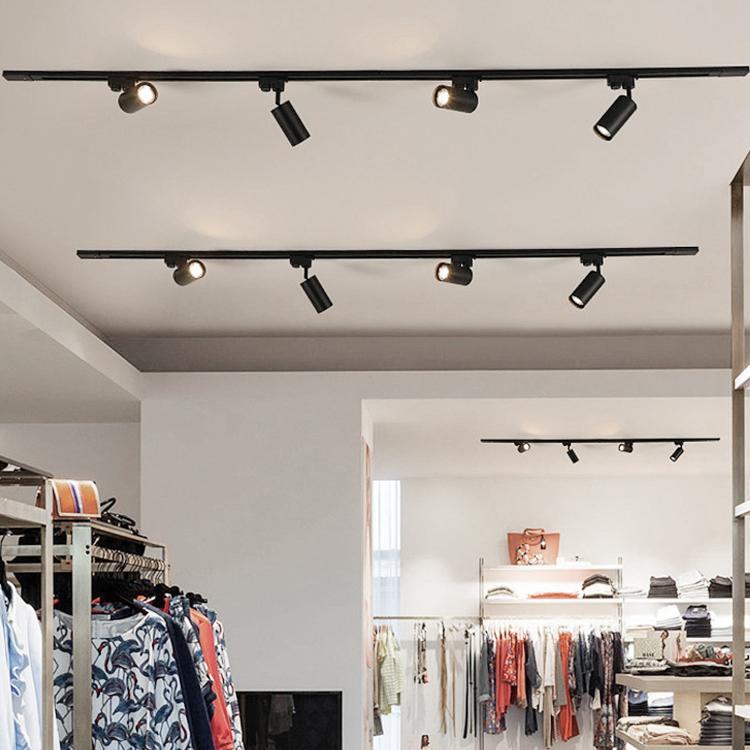
Retail lighting has three jobs that most fixture specs completely ignore:
1. Merchandise elevation. Your product should look better under your lights than it does in daylight or in competitors’ stores. This requires understanding how different light sources interact with different materials—matte versus reflective, wood grain versus metal, fabric versus glass.
2. Atmosphere creation. The temperature, direction, and quality of light in a retail space creates an emotional context. This isn’t “mood lighting”—it’s a deliberate communication tool about what kind of store this is and what kind of customer belongs here.
3. Visual hierarchy. Strategic lighting guides customer attention. Your hero products get the spots. Your promotional displays get the punch. Your checkout area gets functional but unobtrusive coverage.
A fixture that’s “bright enough” and “good value” may be failing at all three of these jobs without anyone noticing until sales numbers tell the story.
The Color Temperature Trap in Retail Applications
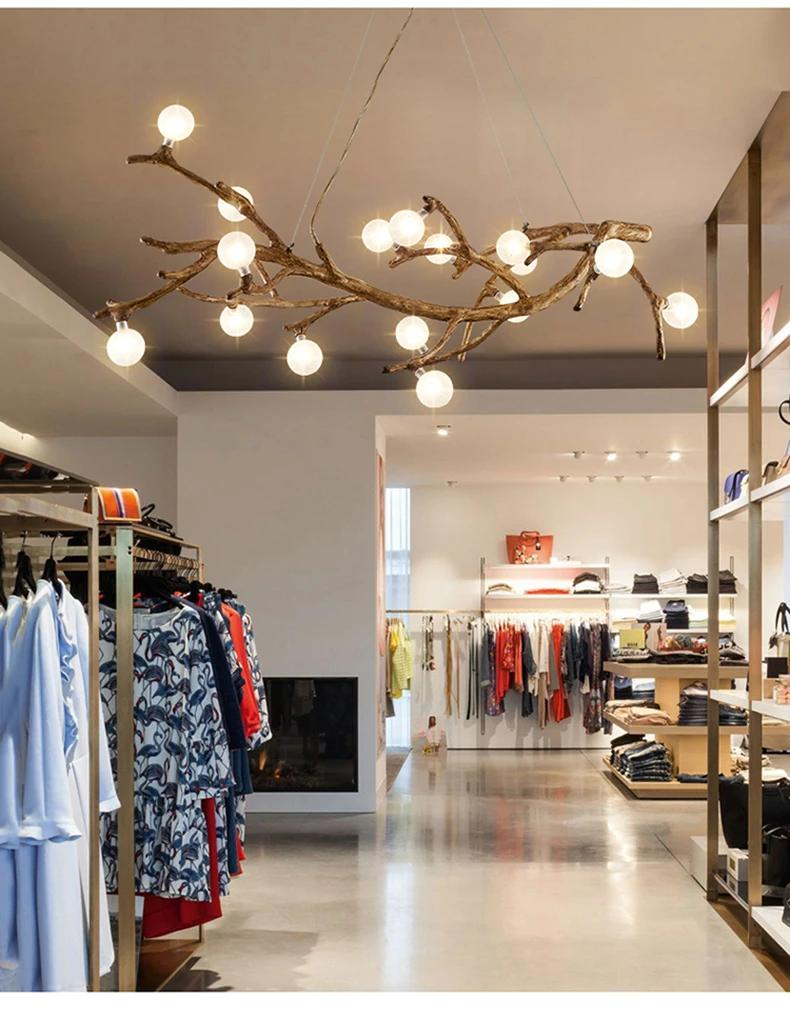
Color temperature selection for retail is where I see the most expensive mistakes.
3000K is the default choice for many buyers—warm, inviting, comfortable. And it’s right for some applications. But 3000K can also wash out merchandise, create unflattering skin tones, and make certain product categories look aged or cheap.
Where warmer temperatures work well:
– Home goods and furniture
– Bakeries and food service
– Jewelry (with proper accent lighting)
– Leather goods and premium textiles
Where neutral-to-cool temperatures perform better:
– Electronics and tech products
– Sportswear and athletic gear
– Beauty and cosmetics
– Automotive parts and tools
The real answer: Most successful retail environments use mixed temperature schemes. General ambient at one temperature, accent and display lighting at different temperatures to create visual interest and merchandise pop.
A single temperature throughout the store is a rookie move. It’s also the default configuration that comes in every budget-friendly “retail lighting kit.”
The CRI Myth in Retail Applications
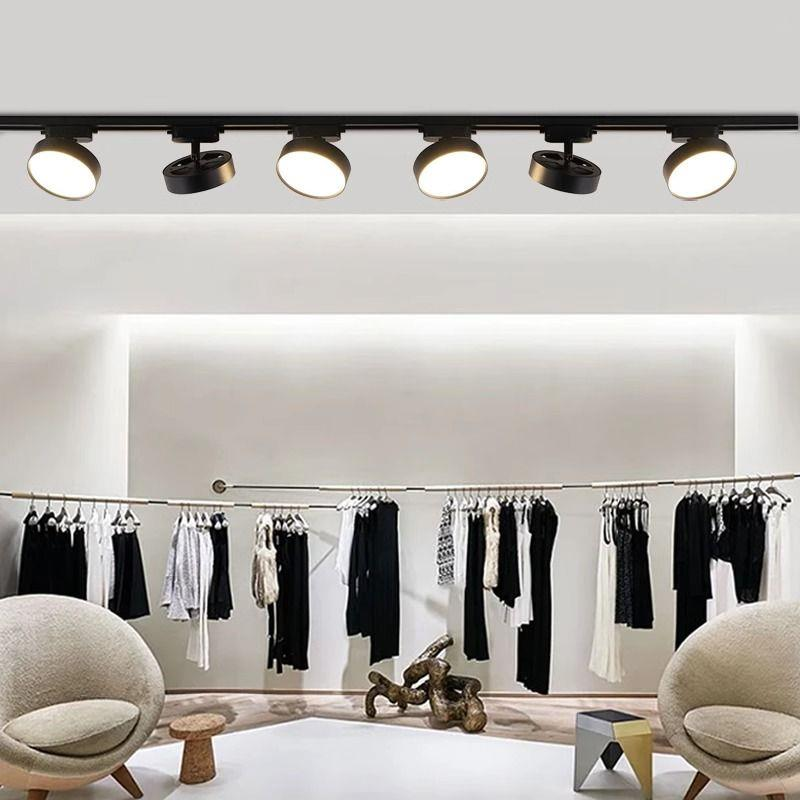
“High CRI” has become a spec box that buyers check without understanding what it means. CRI (Color Rendering Index) measures how a light source makes standardized color samples appear compared to a reference light. A CRI of 90+ sounds great.
The problem: CRI uses a limited set of color samples that don’t represent actual retail merchandise well.
Retail products contain colors that CRI doesn’t measure well—saturated reds, deep blues, certain greens. A fixture with CRI 92 might still make your blue merchandise look purple or your red products look orange.
What actually matters:
TM-30 Rf and Rg metrics. These newer standards provide a more complete picture of color rendering across a wider range of real-world colors. Rf measures fidelity (similar to CRI but better), Rg measures gamut (whether colors appear more or less saturated than they should).
For serious retail applications, I want to see:
– TM-30 Rf ≥ 85 (ideally 90+)
– TM-30 Rg 95-105 (within reference gamut range)
Many quality commercial fixtures now provide TM-30 data. If a supplier can’t or won’t provide it, they’re probably hiding something.
Directional Lighting: The Angles Nobody Talks About
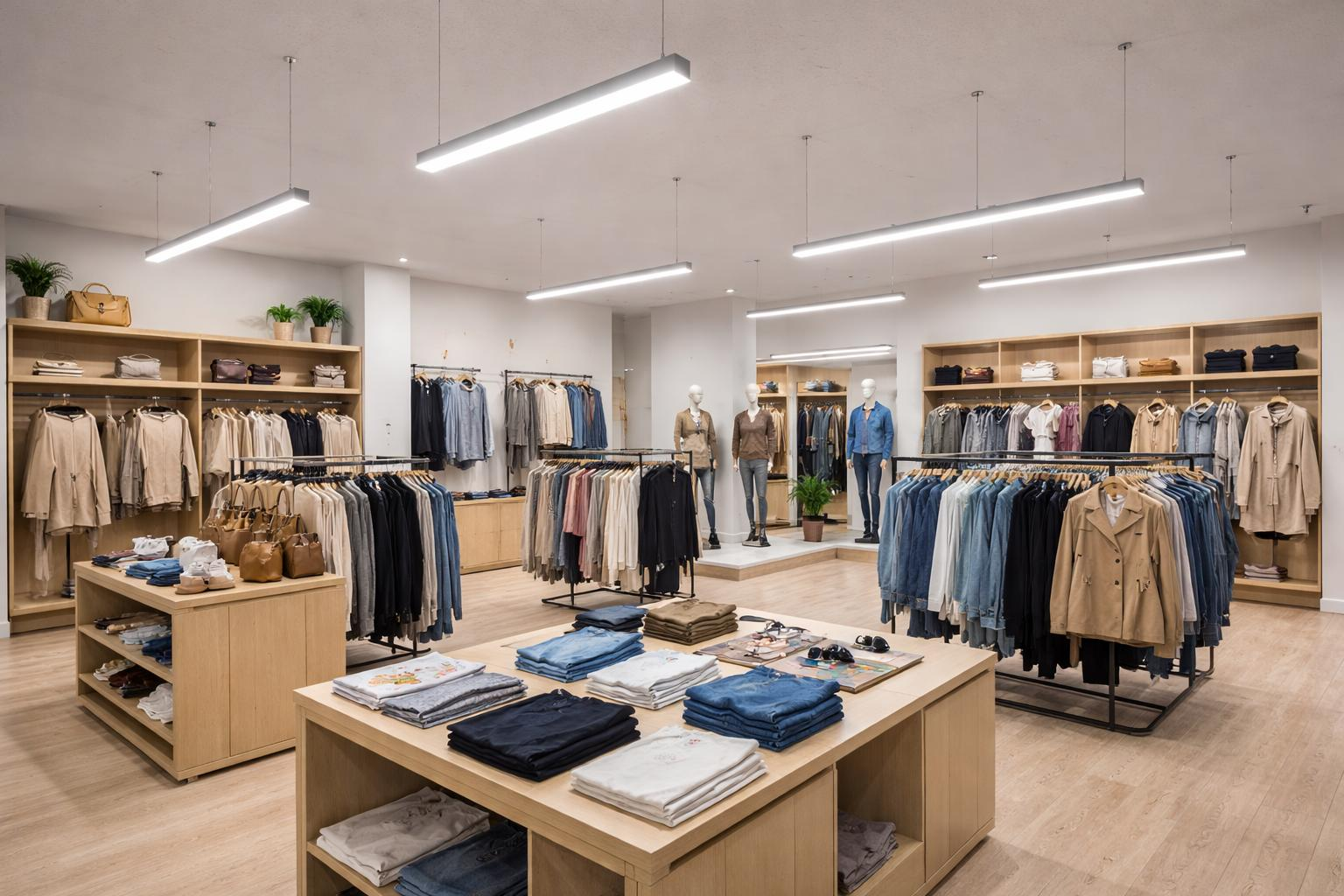
Most retail fixture lighting focuses on beam spread and lumen output. Very few buyers think about beam angle geometry and the relationship between fixture height and coverage.
The math matters:
At 10-foot mounting height, a 24° narrow spot creates a 4.3-foot diameter hotspot. A 60° wide flood creates a 11.5-foot diameter pool of light.
For typical retail merchandise displays:
– Jewelry/counters: 15-24° narrow spots for drama and sparkle
– Apparel/racks: 30-45° medium floods for even coverage
– Table displays: 45-60° wide floods for soft, inviting pools
– Accent walls: 10-15° grazing or asymmetric fixtures
Mixing these deliberately—different angles for different display types—creates the visual hierarchy that makes merchandise sing.
A single beam angle throughout the store, even at “good” wattage levels, creates visual monotony.
The Maintenance Factor Nobody Calculates
Retail fixture maintenance is expensive and disruptive. Every service call means ladders or lifts in the selling space, often during business hours.
Smart buyers calculate total cost of ownership, not initial price:
- Expected fixture life at operating temperature
- Driver replaceability (tool-free is ideal)
- SKU count (how many different fixtures to maintain)
- Local supplier response time
I’ve seen beautiful high-end retail installations where the maintenance nightmare made the original spec look like false economy. The electrical contractor loves it—the store manager dreads every burnt-out fixture.
Spec for maintainability:
- Tool-free driver access
- Modular components (easy board swaps versus whole fixture replacement)
- Supplier inventory commitment for your specific fixtures
- On-site or next-day replacement options for critical failures
The Layout Problem: One Line Doesn’t Work
Retail lighting design requires proper layout planning. This is non-negotiable for any store over 2,000 square feet.
What a proper lighting layout includes:
- Reflected ceiling plan with fixture positions
- Photometric calculation showing foot-candles across the space
- Uniformity analysis (max/min ratio)
- Glare analysis (UTH or VCP ratings for customer sight lines)
- Energy calculation (watts per square foot)
The budget version: ask your supplier for a complimentary layout based on your floor plan and ceiling height. Most serious commercial suppliers will provide this for orders above $5,000.
The not-okay version: buy random fixtures from three different manufacturers because each had a good price, then wonder why nothing matches and the lighting looks chaotic.
Making the Buying Decision
When sourcing retail fixture lighting, here’s what separates a professional installation from a budget disaster:
1. PRODUCT LINE COHERENCE. A supplier who offers recessed, surface, track, and pendant options in coordinated styles means cleaner aesthetics and simpler maintenance. Catalog shopping across manufacturers creates visual cacophony.
2. PHOTOMETRIC SUPPORT. Any supplier selling to commercial buyers should provide IES files and layout assistance. If they’re just shipping boxes, they’re a distributor, not a partner.
3. COLOR VERIFICATION. Request color temperature verification on your actual order. Bins vary between production runs. “3000K” from one batch might be visually different from “3000K” from another.
4. REFERENCE INSTALLATIONS. Ask to see similar retail applications. Lighting that works in an office environment tells you nothing about retail performance.
The stores with lighting that makes you want to buy things didn’t get there by choosing fixtures from a website based on wattage and price. They thought about what their merchandise needs, what their customers should feel, and how the space should guide attention.
That’s not magic. It’s spec work. And it’s learnable.
Get it right, and your merchandise does the selling even when your staff is busy.
YoubeeLight supplies commercial retail lighting solutions including recessed, track, and pendant systems with full photometric documentation. Explore our product catalog →
