
EV Charging Station LED Lighting in 2026: What Commercial Buyers Are Actually Specifying
The EV charging infrastructure market exploded past 50 million public chargers globally by end of 2025. That’s not a projection anymore—it’s the baseline. And here’s what nobody in our industry talks about enough: the lighting specs for these stations are creating a completely different buying pattern than traditional parking lot projects.
I spent the last 18 months talking to procurement managers at charge point operators, municipal fleet managers, and real estate developers building EV infrastructure. What I heard consistently: they’re done tolerating lighting that fails within two years.
Why Standard Parking Lot Specs Don’t Work for EV Charging
Here’s the problem nobody admits: most EV charging hubs get 10x the foot traffic per square foot compared to traditional parking structures. You’re not lighting for occasional cars—you’re lighting for people standing around for 15-45 minutes while their vehicle charges.
The thermal reality is brutal. Fast chargers (150kW+) generate significant heat output. That heat, combined with summer ambient temperatures, creates conditions that standard shoebox fixtures weren’t designed for. I’m seeing mean time between failures drop to 18-24 months on projects where contractors used conventional parking lot LEDs without accounting for this.
The spec conversation that actually matters: Don’t ask your supplier “what’s your IP rating?” Ask “what’s your case temperature at ambient 40°C when the fixture is operating at full output?” That number tells you whether your $800 fixture will last or whether you’re buying a replacement ticket.
The Luminaire Categories That Actually Perform
After seeing dozens of failed installations, three categories consistently outperform:
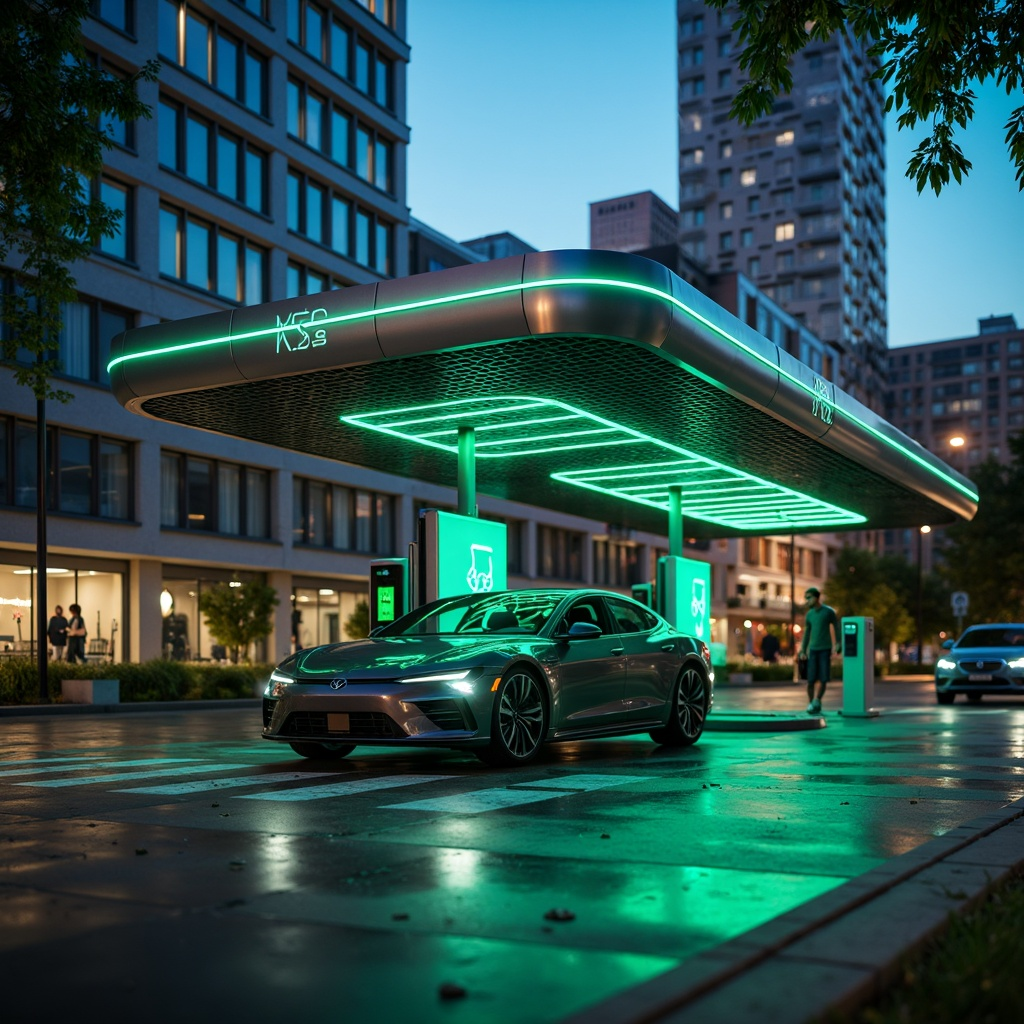
Canopy fixtures—These need to handle both direct thermal load from above and reflected heat from vehicles below. Look for fixtures with dedicated heat sink channels and operating temp ratings of -40°C to +55°C. The rated lifespan claims mean nothing if the thermal management isn’t engineered for sustained high-ambient conditions.
Area flood lights—For open-air charging lots, the trend I’m seeing is toward asymmetric optic distributions. You want more light on the pedestrian paths than on empty asphalt. Generic symmetric distributions waste 30-40% of your illumination budget on areas where nobody walks.
Column or post-top fixtures—These work well for level 2 charging stations where vehicles park perpendicular to a central column. The mounting height typically runs 15-20 feet, which means you need to model your foot-candle distribution carefully. I’ve seen projects where poor mounting height selection created pools of shadow between fixtures.
Color Temperature and the Perception Problem
Here’s where buyers consistently make decisions based on outdated information: color temperature selection.
The old logic said “cool white (5000K+) for parking areas because it maximizes visibility.” That logic is five years outdated.
Modern EV charging operators care about two things: perceived charging time and safety perception. Research from transportation psychology labs shows that warmer color temperatures (4000K-4500K) create a more comfortable waiting environment. Users perceive time passing more slowly in warmer-lit environments—which actually reduces complaints about charging wait times.
My recommendation based on field data: specify 4000K for canopy zones, 4500K for pedestrian pathways, and save the 5000K+ for security-critical areas where you genuinely need maximum visual acuity.
Controls That Actually Get Used
The biggest spec failure I see in EV charging lighting projects: specifying smart controls that nobody configures after installation.
Network-connected lighting with remote monitoring makes sense for large charging hubs with 20+ fixtures. The ability to identify failed luminaires remotely, adjust output based on actual usage patterns, and integrate with the charging station’s operational software—these features justify the cost premium in large installations.
For smaller deployments (under 10 stations), specifyPIR occupancy sensors with 10-minute timed shutoff. You’ll save 40-60% on energy costs compared to full-time operation, and the sensor payback typically comes within 18 months.
The mistake to avoid: don’t specify controls that require a dedicated commissioning engineer to configure. Every feature that requires active management becomes a feature that nobody manages.
What the Supply Chain Reality Looks Like
Here’s the uncomfortable truth about EV charging lighting procurement in 2026: the market is fragmented, and many “LED specialists” don’t actually have experience with these specific applications.
Ask your supplier for documentation on three specific installations in the past 24 months with similar thermal and operational profiles. If they can’t produce that, you’re their reference project—and reference projects pay premium prices for the learning curve.
The specification questions that actually filter out unqualified suppliers:
– Operating temperature range at full output
– Thermal derating curve documentation
– Replacement driver availability (not just LED module)
– Photometric files for the specific fixture, not just similar models
The Bottom Line
EV charging station lighting is a specialized sub-category that rewards attention to thermal management, controls integration, and actual usage patterns rather than spec-sheet heroics.
The buyers who get this right treat it as a 10-year infrastructure decision, not a fixture purchase. They spec for the conditions the equipment will actually face, they build in maintenance accessibility, and they don’t chase the lowest upfront cost on luminaires that will need replacement in 18 months.
If you want to skip the learning curve, look for suppliers who can demonstrate commercial LED track lighting engineering alongside parking and area lighting—thermal management principles transfer across categories, and manufacturers with broad commercial lighting experience tend to build more robust fixtures.
For a full technical discussion of your project requirements, reach out before you finalize your lighting budget. The spec stage is where you either solve these problems or guarantee yourself a service callback.
This article reflects field observations from commercial lighting procurement projects in North American and European EV infrastructure deployments.
