
Transit and Railway Station Lighting in 2026: The Spec Decisions That Separate Real Professionals from Amateurs
I remember the exact moment I understood why transit lighting projects fail.
Six years ago, I was walking through a newly renovated metro station with a lighting contractor who had just installed what he called “a world-class LED system.” The station looked fantastic during the inspection walkthrough. Three years later, I passed through the same station. The uniformity was shot, half the fixtures were running at reduced output, and the whole space felt dim and institutional.
The problem wasn’t the fixtures. It was that nobody had specified the system for how the station would actually be used over time.
The Usage Pattern Reality
Transit stations operate on a brutal schedule: 18-22 hours of operation daily, 365 days a year, with maintenance windows measured in minutes during off-peak hours. Any lighting specification that doesn’t account for this operational reality is a specification for failure.
The thermal engineers at major transit authorities I’ve worked with have a rule of thumb: derate all fixture performance claims by 15% for the first year, then another 10% for each subsequent year. That sounds pessimistic, but it matches what I see in the field.
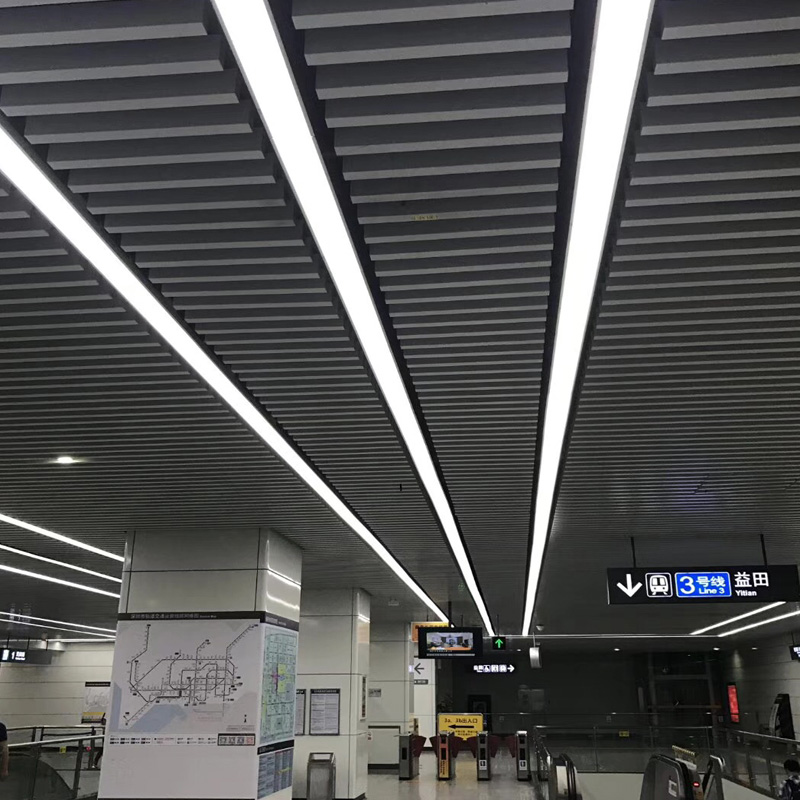
The specification that matters most isn’t lumens or watts—it’s the ambient temperature rating relative to your station’s actual thermal profile. Underground stations in hot climates can run 10-15°C above outdoor ambient during summer peaks. If your fixture is rated for 35°C maximum ambient and your station hits 45°C, you’re buying time, not decades.
What Actually Goes Wrong
After auditing dozens of transit lighting installations, the failure modes cluster around three categories:
Driver failure—This is the #1 problem in aging LED installations. The LED modules themselves often outlast the drivers. When I see “dark spots” in a station that originally had uniform lighting, I can almost guarantee driver failure, not LED degradation. Specifying replaceable drivers with minimum 50,000 hour ratings isn’t optional—it’s basic system design.
Optical degradation—Polycarbonate lenses yellow and acrylic diffusers craze over time. I’ve measured 20-30% light output loss from optical degradation alone in installations that were only five years old. Specify glass lenses or verify minimum 94% transmittance ratings at year zero. The spec sheet won’t tell you what the transmittance looks like at year five.
Inconsistent color temperature drift—Different fixture batches from the same manufacturer can vary 200-300K in color temperature when new. Over time, that variance increases. If you’re replacing fixtures in sections (which transit authorities always do due to budget cycles), you’re creating visible non-uniformity unless you source all replacements from the same production run.
The Specification Conversations That Actually Matter
When I spec transit lighting, I start with operational parameters before I ever look at fixture catalogs:
Maintenance access reality check—Who changes the fixtures, and how much time do they have? If your maintenance crew has 15-minute access windows during off-peak hours, specify fixtures that can be serviced without tools or specify extra stock for the most failure-prone components. Every minute your maintenance crew spends wrestling with a poorly designed fixture is a minute they’re not doing preventive maintenance.
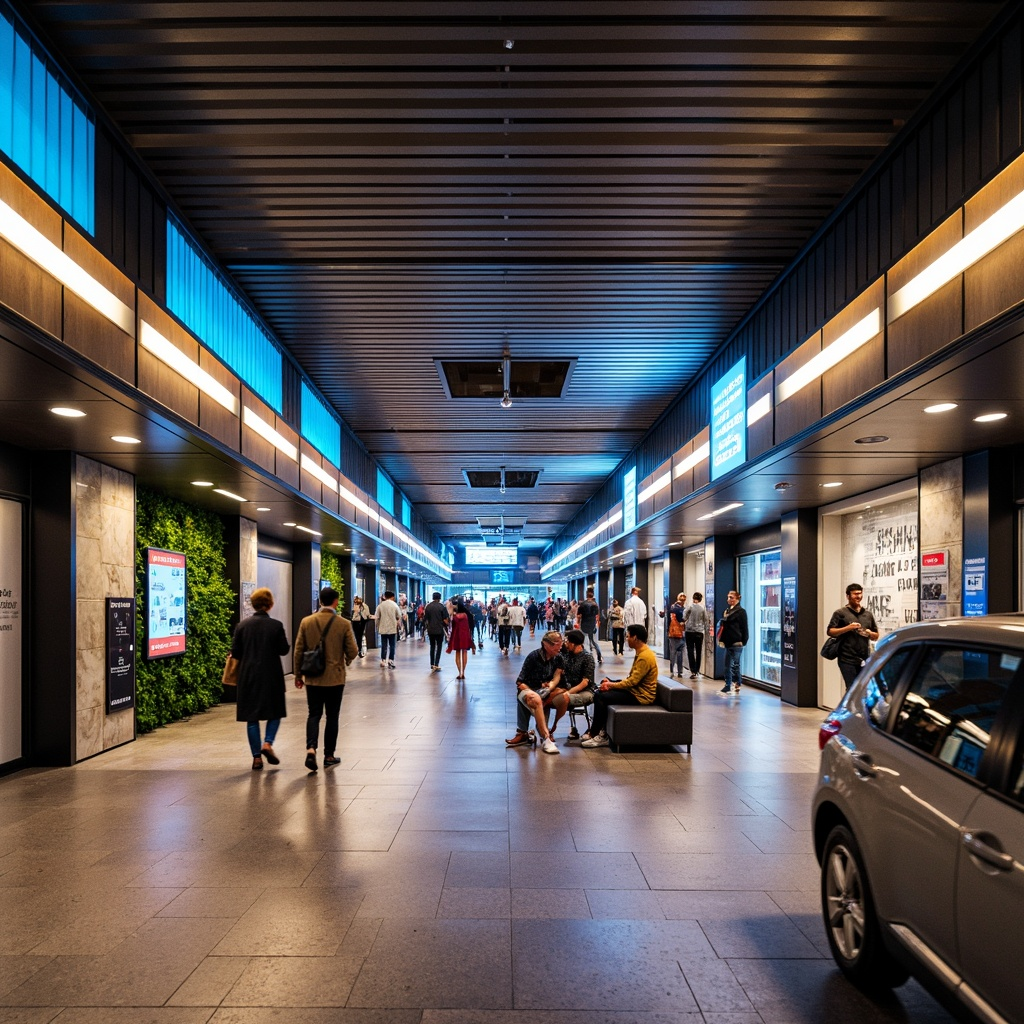
Photometric modeling for the actual space—Station architecture creates lighting challenges that generic parking lot specs don’t address. Curved ceilings, reflective surfaces, multi-level platforms, and transition zones between lit and unlit tunnel sections all require detailed photometric modeling. I’ve seen projects save $50,000 on fixture costs by spending $5,000 on proper lighting design upfront. The math is obvious in hindsight.
Controls integration with station systems—Modern transit stations run building automation systems that manage HVAC, emergency systems, and increasingly, dynamic lighting based on occupancy and time of day. If your lighting specification doesn’t include native BACnet or DALI integration, you’re creating integration costs that will dwarf your fixture savings.
The Emerging Trend: Human-Centric Design
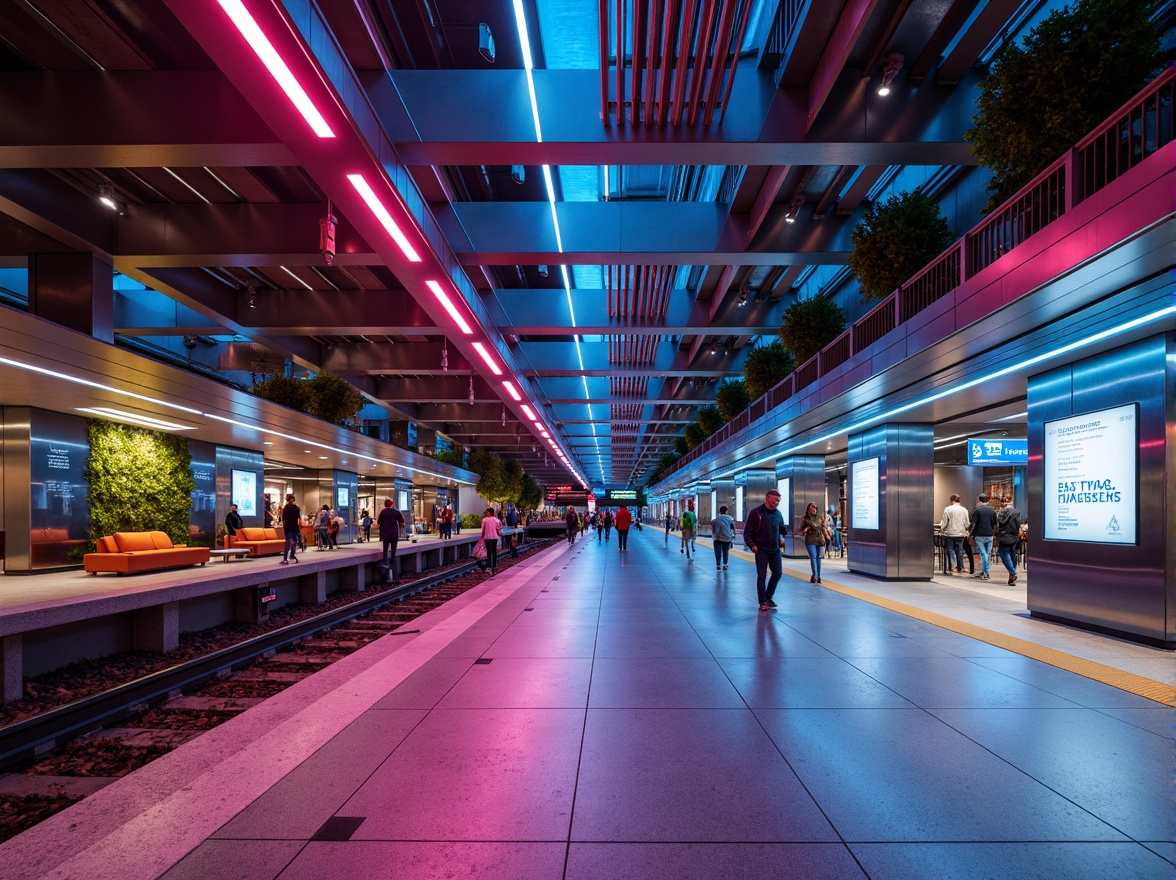
Here’s what’s changing in transit lighting specifications that most buyers haven’t caught up with yet: human-centric design requirements.
European transit authorities are leading on this, but I’m seeing specifications from North American and Asian transit projects starting to include circadian impact requirements for staff areas and public waiting zones. The evidence is solid: proper color temperature tuning throughout the day reduces fatigue-related errors in staff areas and improves passenger perception of safety.
The technical implementation isn’t complicated—tunable white fixtures with DALI or 0-10V control can modulate color temperature based on time of day. The challenge is specifying it in a way that the building management system can actually implement without requiring a PhD in lighting controls.
My recommendation: specify tunable white capability in waiting areas and staff zones, but require that the default operating mode provides correct color temperature without active system management. The controls should enhance when someone configures them properly, not create problems when they’re left in default settings.
What This Means for Your Procurement Decision
Transit lighting is not a fixture purchase—it’s a system design commitment that will define your station’s operational costs for 15-25 years.
The buyers who get this right start with operational parameters, not fixture catalogs. They model the thermal environment, they spec for maintainability, and they understand that the lowest first cost almost always generates the highest lifecycle cost.
If you’re evaluating suppliers for a transit project, ask specifically about commercial LED downlight systems alongside linear and area lighting. Transit projects require manufacturers with experience across multiple fixture categories who understand how lighting systems work together, not specialists who only know one product type.
For transit authority projects specifically, I recommend requesting a full photometric model and lifecycle cost analysis before finalizing your fixture selection. The spec stage is where 90% of the problems that show up five years later get locked in.
This article reflects observations from transit and railway lighting projects across European, North American, and Asian markets. Specifications vary by region—verify local requirements with your engineering team.
