Hospitality Lighting 2026: What Hotel Project Buyers Actually Pay For
SEO Meta: Commercial hospitality lighting solutions for hotels, resorts, and restaurants. Expert guide to guest room, lobby, and F&B lighting specifications in 2026.
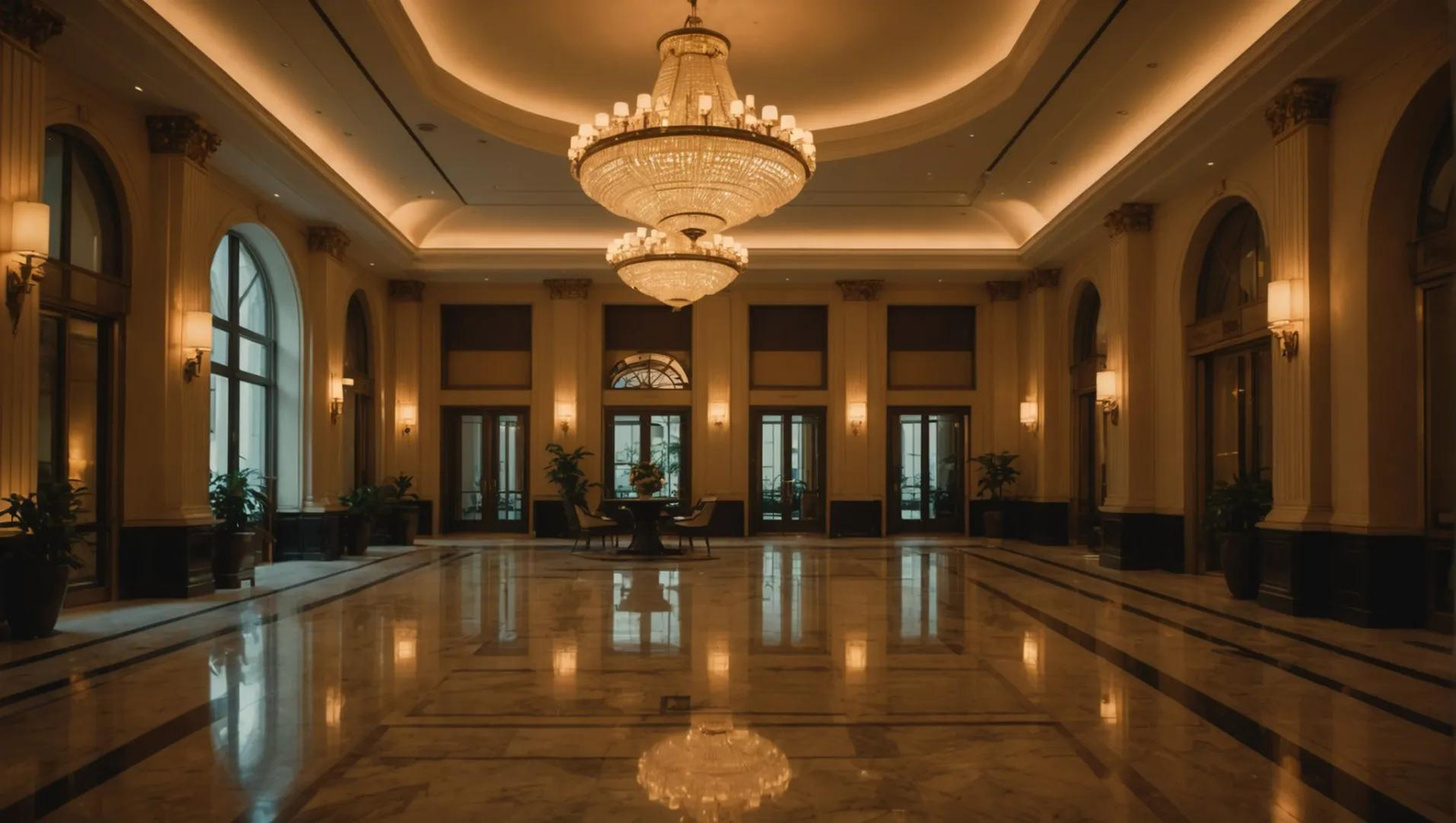
When a resort developer from Denmark asked me last year why their “premium” hospitality lighting kept failing after 18 months, I drove to their property outside Barcelona to see it myself. The fixtures looked gorgeous in the catalog. In reality? Yellowed polycarbonate diffusers, dead LED drivers in the corridor, and a restaurant that looked more like a hospital than a dining space.
That’s when I realized most hospitality buyers are getting sold the wrong lighting—not because the products are bad, but because they’re asking the wrong questions.
The Three Lighting Zones That Actually Matter in Hospitality Projects
Here’s what 15 years of commercial lighting projects have taught me: hospitality spaces break down into three distinct lighting requirements, and confusing them is the fastest way to blow your budget and disappoint your client.
Guest Rooms: Functional Warmth Over Showmanship
Hotel guest rooms aren’t showrooms. Guests need reading light (200-300 lux at desk level), ambient mood lighting (50-80 lux), and a bathroom that doesn’t feel like a cave. The mistake most buyers make is spec’ing the same “warm white” fixtures throughout.
Here’s what actually works:
– Color temperature progression: 2700K near the bed, 3000K at the vanity, 4000K in the bathroom mirror area. This isn’t luxury fluff—it’s basic visual ergonomics.
– Dimmable by default: Not optional. Not “upgrade package.” Every fixture in a guest room should dim to 10% without flicker.
– Anti-glare is non-negotiable: UGR < 19 at seating height. If you can’t find the spec sheet, walk away.
I learned this the hard way with a 200-room project in Dubai. The GC spec’d 4000K fixtures throughout because “it looks modern.” Six months after opening, guest complaints about “harsh lighting” were through the roof. Cost us $30K to replace.
Lobbies and Public Areas: The First 30 Seconds Matter
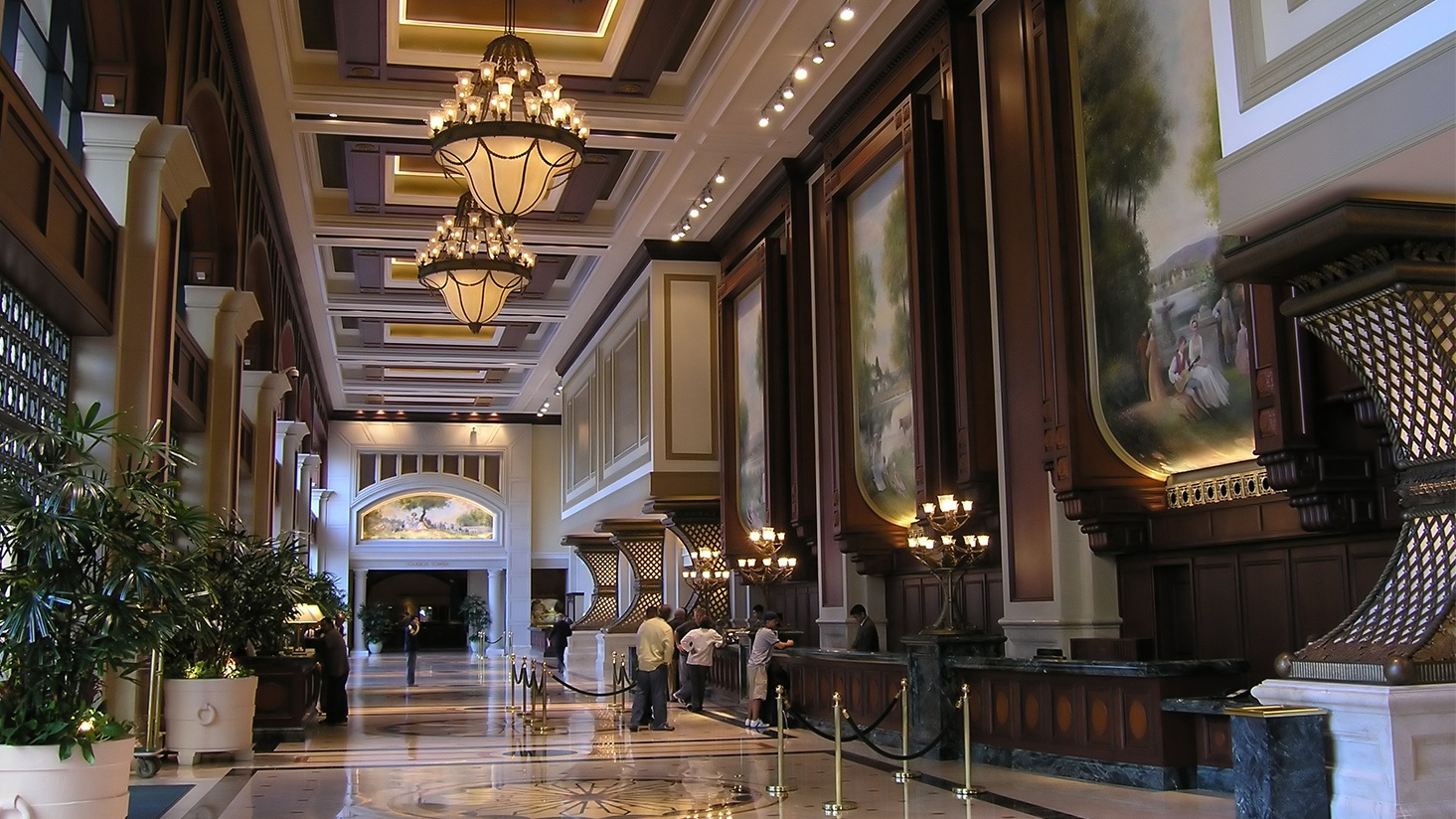
Hotel lobbies are theater. You have 30 seconds to make a guest feel welcome, and lighting is 60% of that impression.
The numbers that matter:
– Lobby ambient: 150-300 lux at floor level
– Reception desk: 500 lux task lighting (think about the front desk staff reading passports)
– Artwork/feature walls: 100-150 lux with adjustable accent fixtures
What buyers consistently miss: zoning. A lobby isn’t one homogeneous light level. It should have:
1. A bright “arrival zone” near the entrance (guests orient themselves here)
2. A mid-level “transition zone” with seating
3. A lower “waiting zone” near elevators
This progression isn’t just aesthetic—it reduces energy consumption by 20-30% compared to uniform lighting.
F&B Spaces: This Is Where You Earn Your Commission
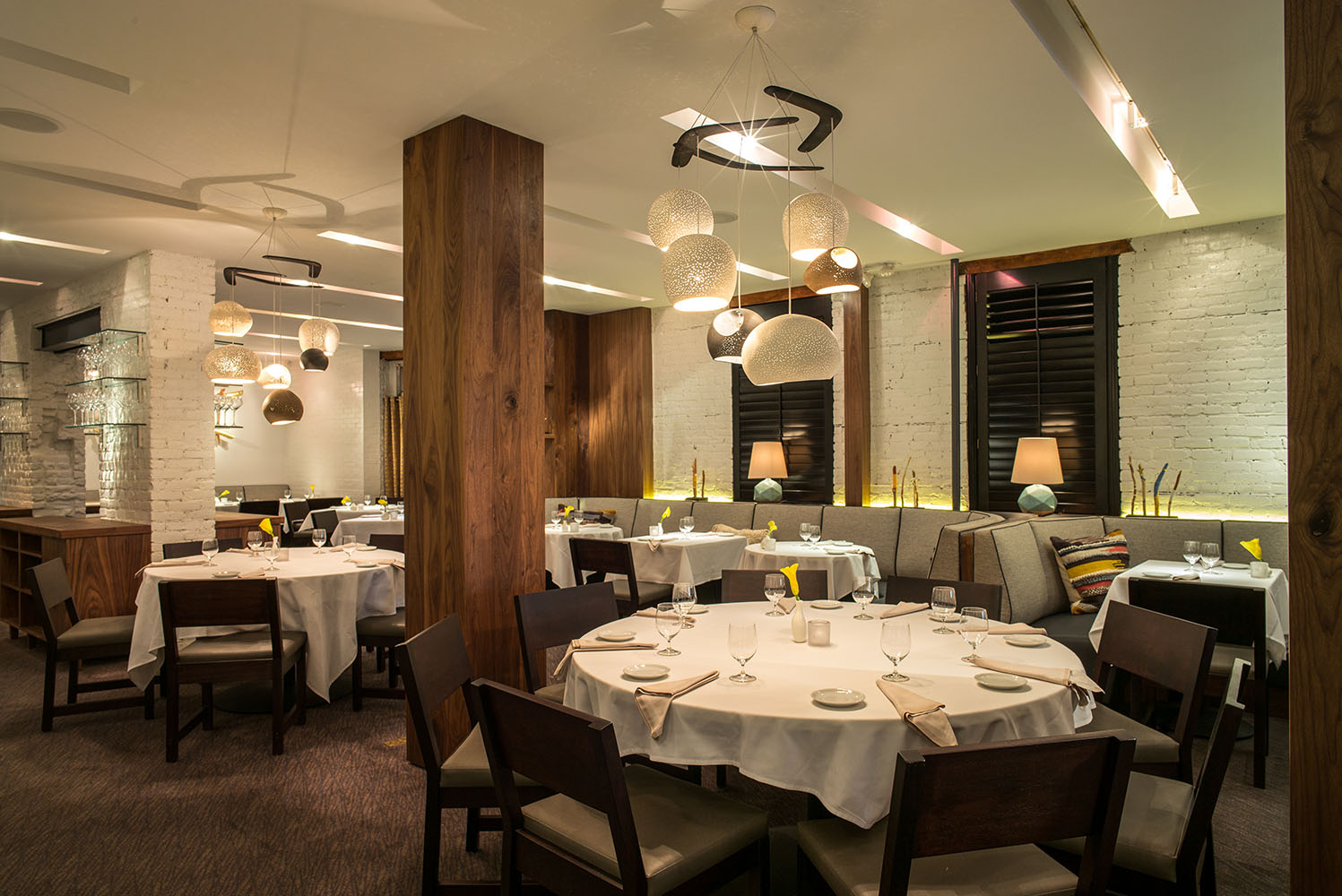
Restaurants, bars, and hotel restaurants are the hardest lighting applications I encounter. You’re balancing:
– Atmosphere: Guests need to see each other’s faces, but not too clearly
– Functionality: Servers need to read menus, see wine colors, navigate safely
– Brand: The lighting IS the brand for many establishments
The 2026 reality check on F&B lighting:
| F&B Space Type | Recommended CCT | Lux Level | Key Requirement |
|---|---|---|---|
| Fine Dining | 2700K-3000K | 50-100 lux | Dimmable, warm |
| Casual/All-day | 3000K-3500K | 150-250 lux | Uniform, functional |
| Hotel Bar | 2700K-3000K | 75-150 lux | Accent on feature areas |
| Breakfast Area | 3000K-3500K | 200-300 lux | Bright enough for business |
Fine dining getting less than 100 lux isn’t dim—it’s intentional. Studies show guests linger 20-30 minutes longer in lower light environments, which means higher per-table revenue.
The Specification Mistakes That Kill Hospitality Projects
After hundreds of hotel project deliveries, I’ve compiled the top specification errors I see repeatedly:
Mistake #1: Specifying Lumens When You Should Be Specifying Quality
“LED fixture” tells you nothing. What matters:
– Driver quality: Mean Well, Tridonic, or Lutron drivers only. Budget drivers fail within 2 years.
– LED binning: Are chips from the same color bin? Mixed bins cause visible color variation across fixtures.
– TM-30 metrics: Rf (fidelity) > 85, Rg (gamut) 90-110. This tells you how accurately colors render.
Mistake #2: Ignoring Emergency Lighting Integration
Emergency lighting in hospitality isn’t just about code compliance—it’s about guest safety. But here’s what most buyers miss:
- Central battery vs. individual battery backup: Central systems are cheaper to maintain but require conduit runs during renovation
- Test intervals: Monthly manual test vs. self-testing fixtures add $15-25 per fixture
- Exit path placement: Guest room corridors need emergency lighting at every corner change
Mistake #3: Assuming Smart Controls = Complex
Hotel clients often resist smart lighting because they assume complexity. Reality:
– Guest room: Simple scene switch (Welcome/Reading/Sleep) beats full app control
– Public areas: Time-based automation with manual override covers 90% of needs
– F&B: Casambi or Lutron Vive with preset scenes handles 95% of scenarios
The operational savings are real: our hotel clients report 25-40% lighting energy reduction after implementing proper controls.
2026 Hospitality Lighting Trends Worth the Premium
Three trends I’m recommending to clients willing to spend for differentiation:
1. Human Centric Lighting (HCL) in Guest Rooms
Matching color temperature to circadian rhythms isn’t sci-fi anymore. 2700K in the evening, 4000K-5000K in the morning. Some property developers in Scandinavia are paying 15-20% premium for HCL systems, with measurable guest satisfaction improvements.
2. Tunable White in Conference and Banquet Spaces
Hotel conference rooms that can switch from 6500K “presentation mode” to 2700K “evening event mode” are winning contracts over fixed-temperature competitors. The technology is mature, pricing has dropped 30% since 2023.
3. Low-Voltage Magnetic Track in Public Areas
12V or 24V magnetic track systems are replacing traditional 220V infrastructure in new builds. Why?
– Flexibility for reconfiguration
– Easier smart integration
– Lower electrician costs
Sourcing Hospitality Lighting: What Actually Works
Here’s my practical sourcing framework for hospitality projects:
For New Construction (100+ rooms): Direct factory relationship. You’re looking at 45-60 day lead times minimum. Budget $80-150 per room for quality guest room fixtures.
For Renovation/Repositioning: Stock suppliers with fast fulfillment (7-14 days) for standard products, factory direct for custom specifications. Watch the MOQ—many factories want 200+ units for custom finishes.
For Boutique/Specialty Properties: Work with a lighting agency that has direct factory relationships. The 15-20% commission pays for itself in specification support and faster turnaround.
The Non-Negotiable Quality Checks Before Shipment:
1. Random sample testing: 2-3% of order minimum
2. Photometric report verification (demand this from any serious supplier)
3. IP rating verification for bathroom fixtures
4. Emergency backup function test
The Bottom Line
Hospitality lighting is equal parts technical specification and emotional design. If your supplier can’t explain why they recommend a specific color temperature or lux level, they don’t understand the application.
At YoubeeLight, we spec hospitality projects weekly. We’ve seen what works in Madrid, Copenhagen, Dubai, and Bangkok. If you’re planning a hotel, resort, or restaurant lighting project and want a second opinion on your specifications, reach out before you finalize orders.
The cost of getting it right the first time is always less than fixing it later.
Looking for a professional lighting supplier for your hospitality project? Explore our commercial lighting catalog or connect with our project team.
