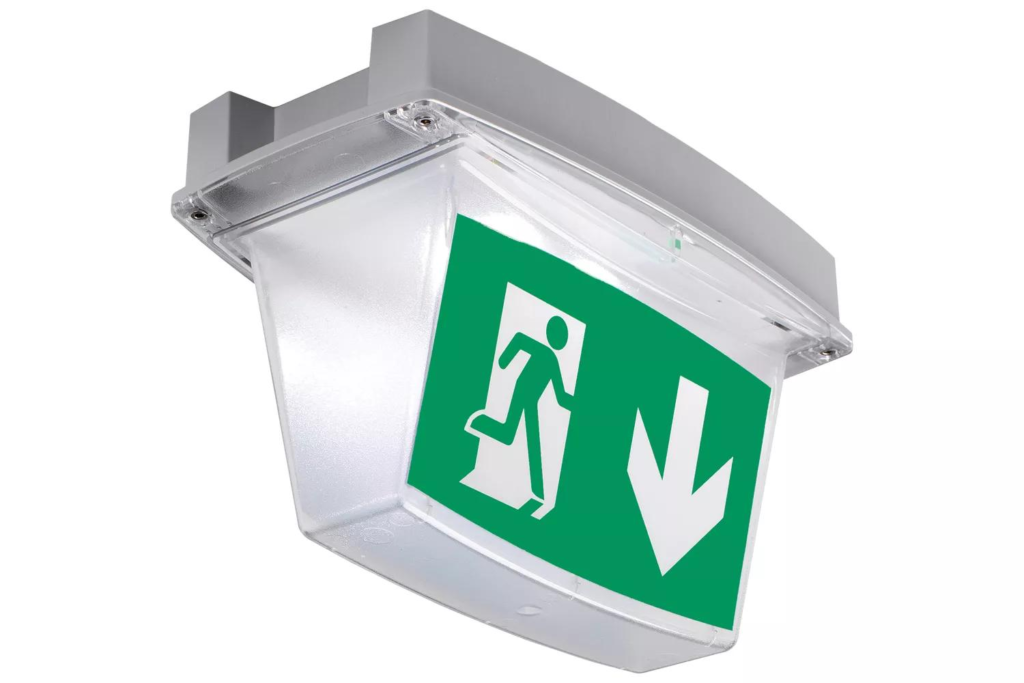
Emergency Lighting Systems: What Every Commercial Project Buyer Needs to Know
When you’re sourcing emergency lighting for a commercial project, it’s easy to treat it like any other lighting category. Big mistake. Emergency lighting has zero tolerance for shortcuts—and in most jurisdictions, it’s the first thing inspectors check when issuing occupancy certificates. Get this wrong, and you’re staring at project delays that cost more than the lighting itself.
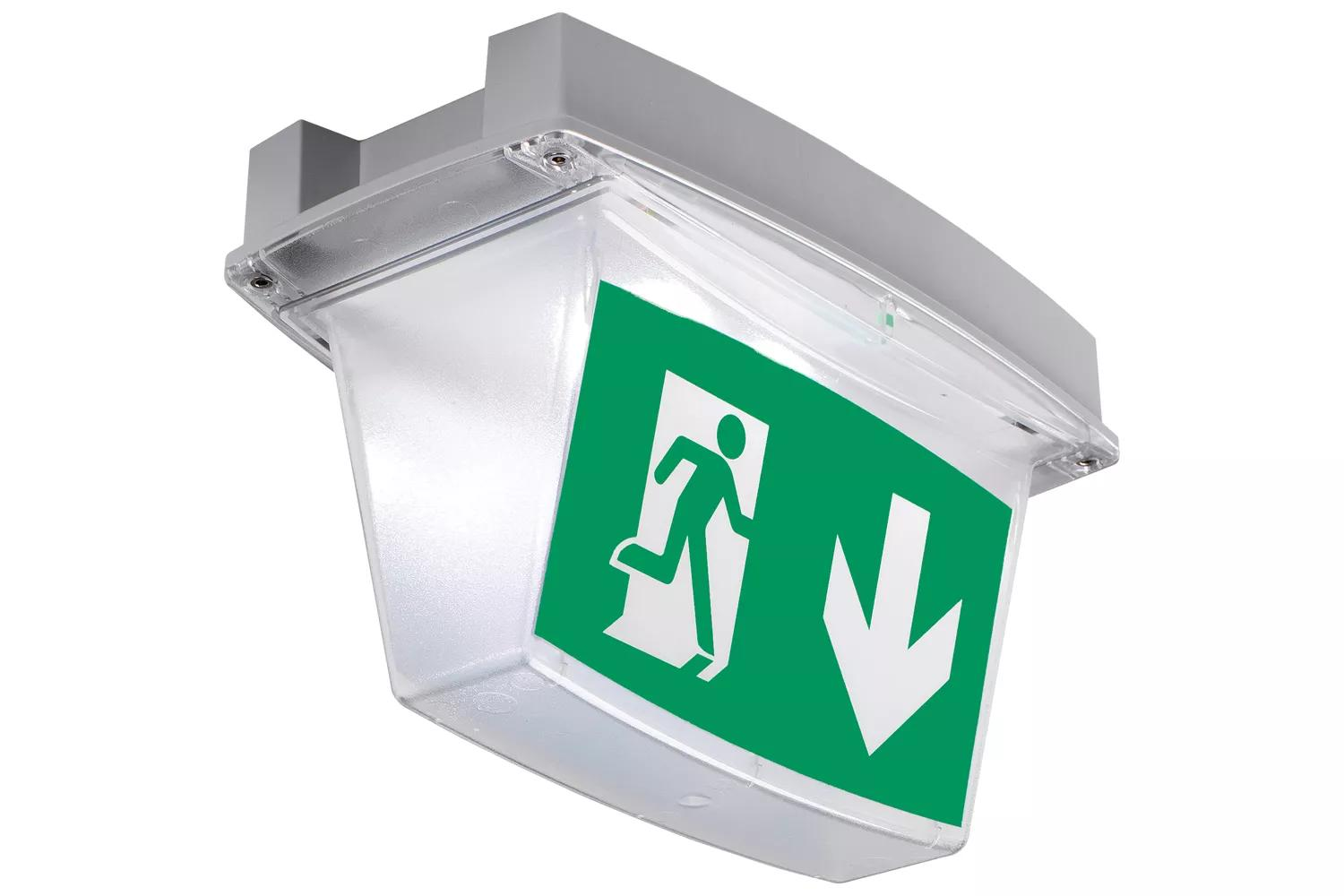
After 15 years of navigating commercial lighting projects across Europe, North America, and the Middle East, I’ve seen more emergency lighting failures than I’d like to admit. Not because the products were inherently bad, but because buyers didn’t understand what they were actually buying.
The Regulatory Landscape Isn’t Optional
Here’s something many overseas buyers discover the hard way: emergency lighting regulations aren’t suggestions—they’re code. In the EU, EN 1838 and EN 50172 set the standards. In North America, NFPA 101 (Life Safety Code) and UL 924 govern commercial applications. Miss these requirements, and your shipment gets held at customs or rejected on-site.
The real problem? These standards aren’t harmonized. A product certified for the EU market may not meet US requirements, and vice versa. When I’m working with clients sourcing for multi-national projects, I always ask: “Where is this actually going to be installed?” The answer changes everything.
Key standard differences to know:
| Region | Primary Standard | Key Requirement |
|---|---|---|
| USA/Canada | UL 924 / CSA C22.2 | 90-minute backup minimum |
| European Union | EN 1838 / EN 50172 | 1-3 hour backup depending on occupancy |
| Middle East (UAE) | ESMA / Civil Defence | UAE Civil Defence approval required |
| Australia | AS 2293 | Specific luminance requirements |
For a Saudi Arabian project I handled last year, the client’s previous supplier had delivered CE-marked emergency lights that looked perfectly legitimate. Problem: Saudi Civil Defence doesn’t accept CE marking alone. We had to source replacement units with proper SASO certification, which added six weeks and significant cost.
Battery Technology: The Hidden Differentiator
Walk into any lighting trade show and you’ll see emergency luminaires priced anywhere from $15 to $150. The biggest variable? Battery type.
Nickel-Cadmium (Ni-Cd): The traditional choice. Reliable, handles temperature extremes well, but contains cadmium (environmental concern) and has memory effect issues. Most budget commercial fixtures still use Ni-Cd.
Nickel-Metal Hydride (Ni-MH): Better energy density than Ni-Cd, no cadmium, but still has some memory effect. Mid-range option.
Lithium Iron Phosphate (LiFePO4): The premium choice for good reason. 3-5x the cycle life of Ni-Cd, no memory effect, lighter weight, and excellent thermal stability. Higher upfront cost, but total cost of ownership often works out lower over a 10-year installation.
Lithium Ion (Li-ion): Watch out here. Some manufacturers use Li-ion in emergency lighting, which can be problematic. Li-ion has stricter temperature requirements and, in rare failure modes, can thermal runaway. LiFePO4 is inherently safer for this application.
My practical advice: If you’re specifying for a refrigerated warehouse or outdoor application in a climate with extreme temperatures, Ni-Cd or LiFePO4 are your only real options. Li-ion performance degrades significantly below -10°C or above 40°C.
Duration Requirements: Don’t Under-Spec
Here’s a question I ask every client: “How long do you need the emergency lights to stay on during a power outage?”
The answer determines everything.
Most building codes require minimum 90 minutes of emergency lighting. But many commercial projects—especially healthcare facilities, high-rise office buildings, and venues with large public gatherings—require 2, 3, or even 4 hours of backup duration.
Here’s where it gets expensive: Doubling the backup duration doesn’t double the cost. It multiplies it. Going from 90 minutes to 3 hours typically adds 40-60% to the fixture cost, because you need either larger batteries or more sophisticated battery management systems.
My rule: Always spec higher than the minimum code requirement if the budget allows. You can always dim the output to extend duration. But if you buy 90-minute fixtures for a building that ends up requiring 2-hour compliance, you’re replacing everything.
Testing Requirements: Self-Test vs. Manual Testing
Emergency lighting systems require regular testing to maintain compliance. Here’s what you need to know about testing methods:
Manual Testing: The traditional approach. Someone physically presses a test button on each fixture monthly and runs annual duration tests. Labor-intensive, prone to human error, and compliance documentation is only as good as the person doing the testing.
Self-Testing / Self-Diagnostic: Built-in circuitry automatically runs monthly function tests and annual duration tests. The fixture has LED indicators showing pass/fail status. Significantly reduces maintenance burden and documentation issues.
Addressable/Networked Testing: For larger installations (50+ fixtures), networked systems allow centralized testing and reporting. All emergency fixtures report to a building management system. Compliance records are automatically generated.
For projects with 20+ emergency fixtures, I’d strongly recommend self-testing capability. The additional cost per fixture (usually $10-25) is trivial compared to the labor savings over a 10-year building lifecycle.
Ingress Protection for Real-World Conditions
Emergency lighting often gets installed in harsh environments: parking garages, stairwells during construction, outdoor canopies, mechanical rooms. IP rating matters more than many buyers realize.
Minimum IP rating recommendations:
- Indoor dry locations: IP20 (protected against fingers/solid objects >12.5mm)
- Bathrooms, damp areas: IP44 minimum
- Parking garages, canopies: IP65 minimum
- Outdoor, exposed locations: IP65 or higher
- Car washes, industrial wash-down: IP67 or IP68
A client once ordered IP20 emergency downlights for a covered parking structure. By “covered,” they meant “under a concrete slab with no climate control.” The humidity killed those fixtures in eight months. Should have spec’d IP65 minimum.
The Supply Chain Reality Check
Sourcing emergency lighting from Asia? Here are the documentation requirements that will save you headaches:
Essential certifications to verify before ordering:
- Test reports from accredited labs (ILAC, IAS, or country-specific accreditation bodies)
- CB Scheme certificate (useful for multi-country acceptance)
- Country-specific approvals if required for your destination market
- BatteryUN38.3 certification for lithium batteries (required for shipping)
- ISO 9001 or 14001 of the manufacturer (indicates quality systems)
Red flags that should make you pause:
– “CE marked” but no actual test reports available
– Pricing that seems too good (emergency lighting quality components aren’t cheap)
– Supplier can’t explain their quality control process
– No sample testing before container orders
Bottom Line Recommendations
After years of emergency lighting projects, here’s my practical checklist:
- Know your destination market’s exact requirements before sourcing
- Don’t skimp on battery chemistry—LiFePO4 offers the best long-term value
- Spec higher duration than minimum if budget allows flexibility
- Self-testing capability is worth the premium for installations over 20 fixtures
- IP rating should match actual installation conditions, not optimistic assumptions
- Verify every certification with actual test reports, not just marketing claims
Get the emergency lighting right, and it’s one less thing keeping you up at night. Get it wrong, and you’ll be dealing with the consequences for months.
At YoubeeLight, we supply commercial emergency lighting that meets international standards. Our /led-catalog/ includes a dedicated emergency lighting section with certified products for EU, North American, and Middle Eastern markets. Visit /about-us/ to learn about our quality assurance process.
