
I still remember the call from a project manager in Amsterdam. The building was finished, the certificates were signed, and then the local authority rejected the emergency lighting inspection. Occupancy permit held up. Three weeks of delay on a €4M fit-out.
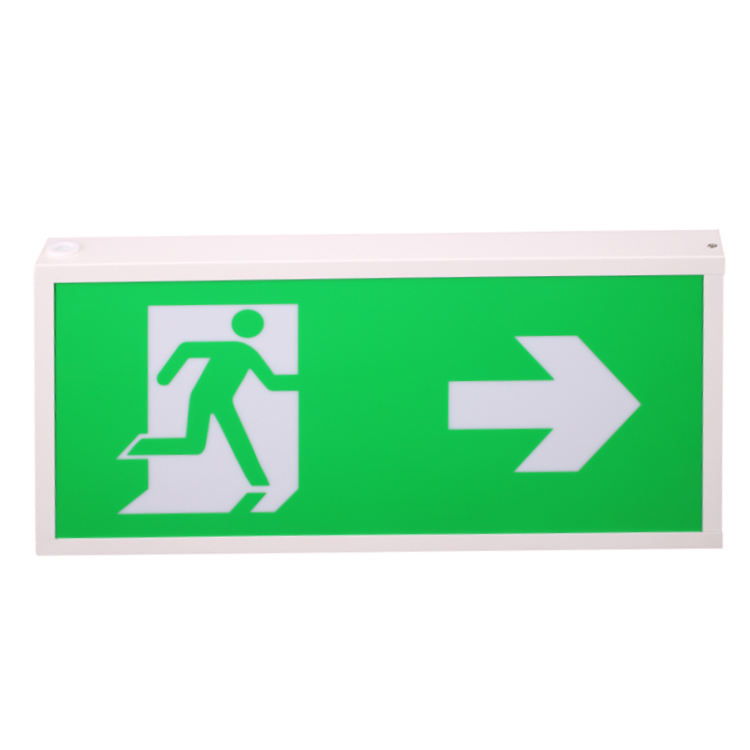
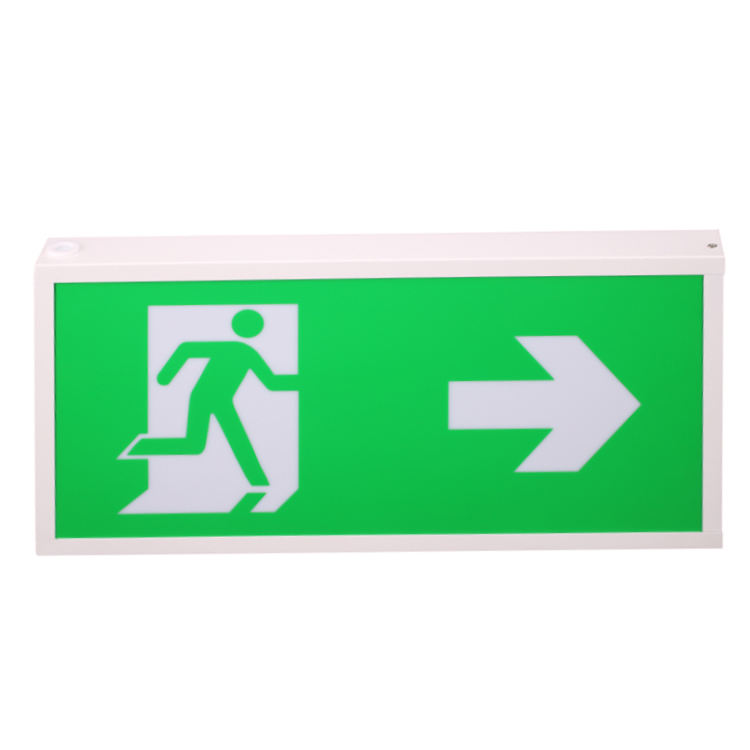
The issue? Exit sign viewing distance.
Emergency lighting seems simple on paper. Install the fixtures, test them, move on. In practice, compliance failures are remarkably common—and they’re rarely about missing fixtures. They’re about details that nobody documented.
The 90-Minute Myth (And What Actually Matters)
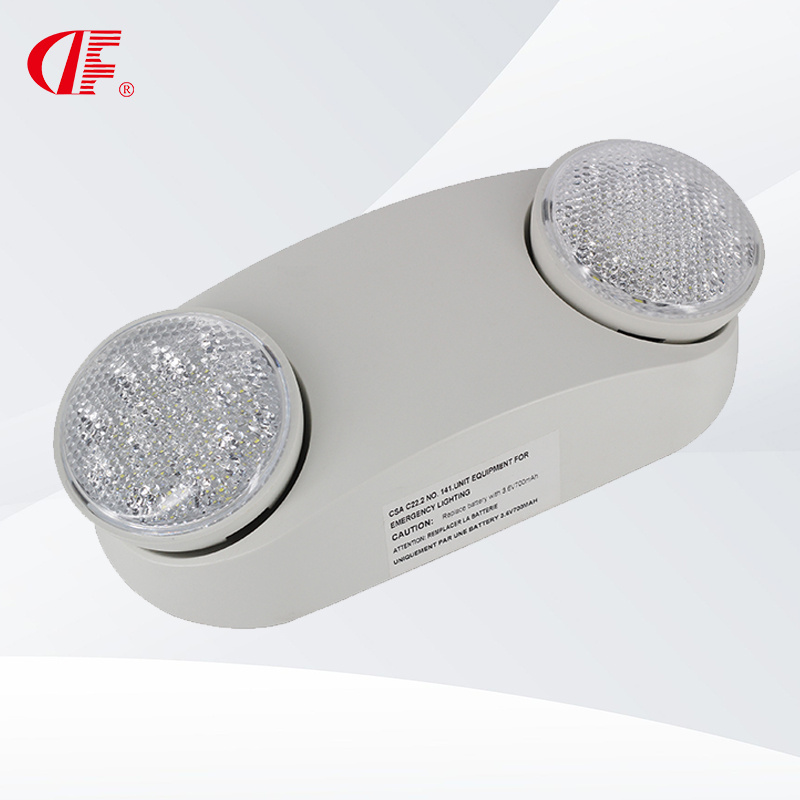
Every spec I’ve seen mentions “90 minutes of emergency operation.” That’s the minimum runtime requirement in most jurisdictions, but it’s also the floor, not the goal.
Here’s what inspectors are actually evaluating:
Photometric compliance
Minimum 1 foot-candle at floor level along the egress path. Not average—minimum. The darkest point in your corridor must meet this. I see projects fail because they calculated for the average lux level and ignored the shadow zones.
Viewing distance on exit signs
NFPA 101 and IEC 60598 both specify maximum viewing distances based on letter height. For a 6-inch letter height (standard for most commercial applications), that’s 100 feet maximum viewing distance.障碍物 reducing visibility? Subtract accordingly.
Spillover from normal lighting
This one surprises people: your emergency luminaires can’t be overwhelmed by ambient lighting. In a brightly lit lobby, a standard emergency head might appear to be off. Inspectors test for this.
Why Testing Requirements Trip Up More Projects Than Specifying
Most jurisdictions now require monthly functional tests and annual 90-minute duration tests. The documentation requirements are what’s catching projects.
The Netherlands, Germany, and increasingly the UK require written test logs retained for inspection. “We tested everything and it worked” is not documentation.
What you need:
– Date of each test
– Who performed it
– Specific fixtures tested
– Any deficiencies noted
– Verification of repair
For a 200-fixture installation, that’s real paperwork. I’ve started recommending clients implement self-testing emergency luminaires specifically to reduce this administrative burden. The fixtures test themselves and log results automatically.
UL 924 vs. EN 1838: Why It’s Not Just a Regional Nuisance
Projects importing luminaires across regions need to pay attention here. UL 924 (North America) and EN 1838 (Europe) have different photometric requirements, different test conditions, and different labeling mandates.
A fixture certified to EN 1838 isn’t automatically UL 924 compliant. The testing protocols are different. I’ve seen containers held at US ports because someone assumed “European certification” would cover North American requirements.
At YoubeeLight, our emergency luminaires carry both certifications where the end market requires dual compliance. But always verify—it’s on you, not the supplier, if the fixture fails inspection at the port.
The Self-Test Feature That’s Changing Maintenance
Here’s a practical evolution I didn’t see coming five years ago: self-testing and self-diagnosing emergency luminaires are becoming the default specification for projects over 50 fixtures.
The business case is straightforward:
- Monthly manual testing requires a licensed electrician in many jurisdictions
- Self-testing fixtures run their own diagnostic cycle and flag failures via LED indicator
- Maintenance staff can identify problems without ladder work
- Annual test data logging satisfies compliance documentation
The incremental cost is typically 15-25% per fixture. For a 150-fixture project, that’s maybe $3,000-5,000 more in material. Compare that to four annual inspection visits at $800 each. Payback is under three years.
I now specify self-testing as standard on commercial projects. The maintenance team loves it, the facility manager appreciates not needing to schedule testing events, and the inspector has clean documentation.
Specifying for Compliance: A Practical Checklist
When reviewing your emergency lighting specification, confirm these aren’t missing:
| Requirement | Common Failure Point |
|---|---|
| Minimum 1 foot-candle at floor level | Shadow zones in stairwells overlooked |
| 100-foot maximum exit sign viewing distance | Height not adjusted for mounting position |
| 90-minute minimum runtime | Battery capacity undersized for ambient temperature |
| Monthly functional test documentation | Logs missing or incomplete |
| Central reporting capability (if specified) | Integration with BMS not commissioned |
| Cold weather performance (-20°C) | Standard batteries fail below 0°C |
What This Costs vs. What Non-Compliance Costs
Emergency lighting represents roughly 2-4% of a typical commercial fit-out budget. Getting it right adds maybe 0.5% for upgraded specifications.
Getting it wrong means:
– Re-inspection fees ($1,500-5,000 typically)
– Project delay costs (far larger)
– Potential retrofit requirements
– Occupancy permit complications
I’ve never seen a project that regretted spending more on emergency lighting compliance. I’ve seen several that learned expensive lessons about treating it as a commodity specification.
Need compliant emergency luminaires for your project? View our emergency lighting range or speak with our project team about your specific code requirements.
