
Cold Storage Lighting: The Specs That Actually Matter for Freezer and Cold Room Projects
Walk into any meat processing facility, pharmaceutical cold chain, or large-scale produce warehouse and you’ll notice something: the lighting sounds different. That slight hum, the occasional click. Standard LED fixtures dying in environments they were never designed for.
I’ve spec’d lighting on three continents for cold storage applications. Here’s what nobody tells you until you’ve already made the mistake.
Why Standard LEDs Fail in Freezer Environments
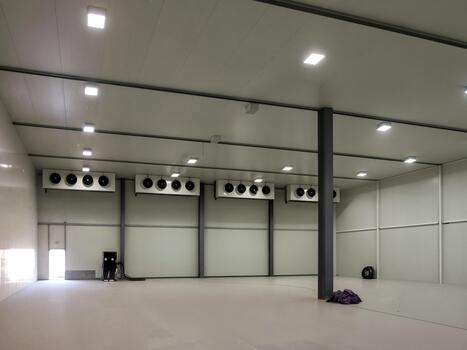
Regular LED fixtures are rated for operation above 0°C. Walk into a -18°C blast freezer and the chemistry changes. Lubricants in bearings thicken. Plastic components become brittle. Driver components behave differently. The result: fixture failures that can happen in weeks, not years.
This isn’t theoretical. I had a client in Canada lose 40 fixtures in a single week during a cold snap. The supplier blamed “extreme conditions.” The real problem: they spec’d commercial-grade fixtures for an industrial cold storage application.
The Temperature Rating Game
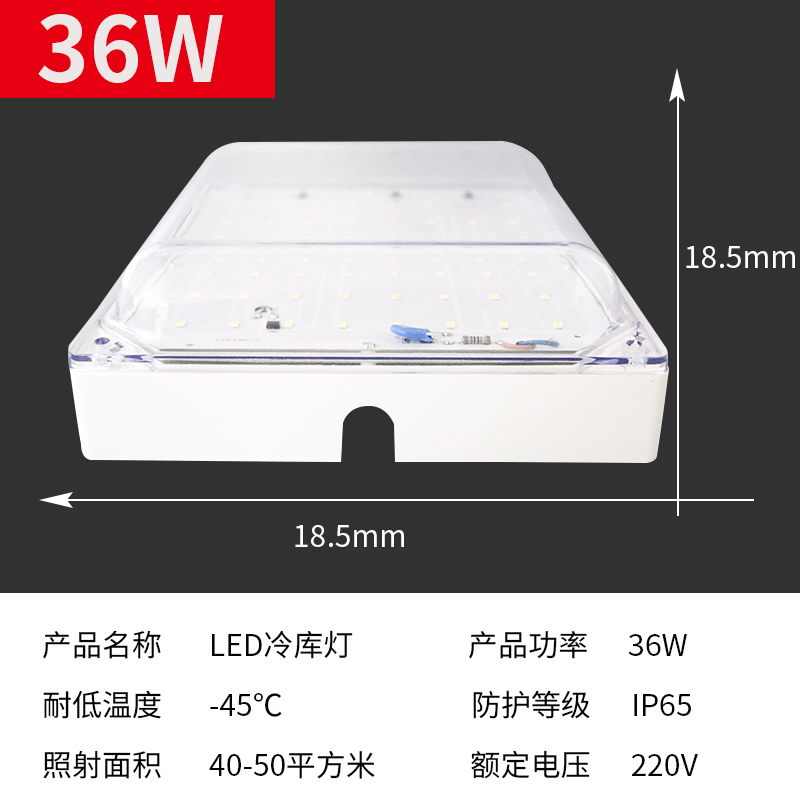
Every fixture datasheet lists an operating temperature range. Here’s what those numbers actually mean for you:
Standard commercial: 0°C to 40°C. Fine for refrigerated cases. Useless for cold storage.
Extended temperature: -20°C to 40°C. This covers most cold storage applications including standard cold rooms and chilled warehouses.
Low temperature rated: -30°C to 35°C. For deep cold applications and blast freezers.
Cryogenic rated: Below -40°C. Only needed for specialized applications like seafood processing and certain pharmaceutical storage.
The spec trap: Many fixtures listed as “-20°C compatible” only reach that rating at full output for limited time. Check the datasheet for sustained operation versus intermittent operation specs. A fixture that works at -25°C for 30-minute cycles might fail at -25°C continuous operation.
Condensation: The Silent Killer
This is where most buyers get surprised. Cold storage environments create condensation every time doors open. Warm air enters, contacts cold surfaces, moisture condenses. This happens thousands of times per day in active facilities.
Standard IP44 ratings won’t cut it. You need:
IP65 or higher for open fixture mounting. This protects against water spray from any direction. In practice, this means protection against condensation dripping from above and moisture spray during pressure washing.
Anti-condensation venting on enclosed fixtures. Without breathers, pressure changes during temperature cycling can create vacuum seals that actually pull moisture into the fixture.
Stainless steel or coated metal housings if you’re anywhere near salt air or food processing environments. Standard powder-coated steel will corrode within 18 months in aggressive cold storage environments.
Light Quality in Cold Conditions
Here’s something that trips up even experienced specifiers: LED color temperature shifts under cold conditions.
A 4000K fixture running at 25°C might measure 4200K at -20°C. The shift is typically 100-200K toward cooler temperatures. This doesn’t sound like much until you’re trying to maintain consistent product appearance across your cold chain.
What actually matters:
- Low temperature binning: Source fixtures that are binned for low-temperature operation, not just room temperature
- Stability testing: Ask suppliers for photometric data at your actual operating temperature, not just room temperature test results
- Consistency across runs: If you’re ordering multiple projects, ensure fixtures come from the same production batches. Color temperature binning can vary between manufacturing runs by more than 200K.
Vibration and Physical Demands
Cold storage facilities aren’t gentle on equipment. Forklifts create vibration. Temperature cycling creates expansion and contraction stress. Floor washers create physical impacts.
Linear fixtures mounted on ceilings take vibration better than point-mounted fixtures. The mounting surface itself goes through temperature cycles that stress fastener points.
Impact resistance matters more than in standard commercial applications. Look for IK08 or higher ratings if fixtures are in reach of forklift traffic or manual handling zones.
L70 rating at low temperature: Most manufacturers list L70 at 25°C (hours to 70% lumen output). The same fixture at -20°C will typically last longer in terms of lumen depreciation, but thermal cycling effects can shorten mechanical lifespan. This is a tradeoff that requires understanding your usage patterns.
The ROI Calculation Nobody Shows You
Let’s talk numbers. A standard commercial LED high bay might cost $120. A cold storage rated equivalent with the same output runs $180-$250. That 50-100% premium sounds painful until you run the real calculation:
Standard fixture in cold storage: 12-18 month lifespan. Maintenance cost: $150-300 per fixture for bucket truck, electrical work, lost cold chain integrity during maintenance.
Cold storage rated fixture: 8-12 year lifespan. Maintenance cost: essentially zero during that period.
Break-even point: Typically 18-24 months when you factor in maintenance labor, equipment rental, and product loss during maintenance windows.
For a facility with 50 fixtures, that’s easily $15,000-$30,000 in savings over a 5-year period. The math is obvious once you see it clearly.
What to Actually Specify
Here’s the practical checklist I use for cold storage lighting projects:
Mandatory requirements:
– Operating temperature range matching your coldest conditions (add 5°C margin)
– IP65 minimum for open mounting, IP67 for hose-down areas
– Surge protection: 10kV minimum in facilities with refrigeration equipment
– Vibration resistance if forklift traffic present
– Low temperature binned LED packages
Strongly recommended:
– Stainless or corrosion-coated hardware
– Thermal cycling certifications
– Instant-start capability (refrigeration doesn’t wait for fixtures to warm up)
– Emergency lighting integration for safety compliance
Questions to ask your supplier:
– “What is the guaranteed minimum operating temperature?” (Not “can it operate at,” but “what’s the warranty condition”)
– “Can you provide photometric data at -20°C?”
– “What is your failure rate in cold storage applications?”
– “Do you stock cold temperature drivers or are these custom builds?”
The Reality of Sourcing
Most major distributors stock standard commercial products. Cold storage rated fixtures often need to be sourced from industrial lighting manufacturers or ordered as custom specifications.
Lead times for specialty cold storage fixtures typically run 4-8 weeks. Factor this into your project planning. I see projects delayed regularly because buyers assumed “LED fixtures” were commodity items with overnight availability.
For smaller projects (under 20 fixtures), some manufacturers offer extended temperature range products from their standard lines that can work for mild cold storage applications. Don’t assume this without verification—read the datasheet, not just the product description.
Cold storage lighting isn’t glamorous, but getting it right means fewer emergency service calls, consistent product quality, and a better bottom line. At YoubeeLight, we supply cold-rated LED fixtures for warehouses, processing facilities, and cold chain applications across North America and Europe. Our LED catalog includes extended temperature range options, and our team can help specify for your specific application requirements.
