
h1>Smart Lighting Control Systems for Commercial Buildings: A Practical Guide for 2026
If you’ve been watching the commercial lighting space over the past few years, you already know: smart controls aren’t optional anymore—they’re baseline expectation. But here’s what actually matters when you’re spec’ing a system for a commercial project.
Why Basic On/Off Is No Longer Acceptable
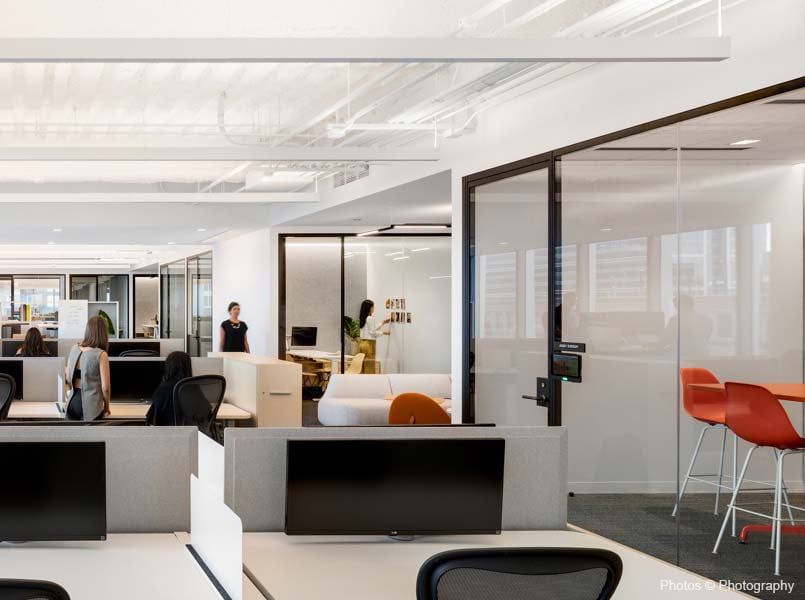
Let me be direct: if you’re still selling toggle-only luminaires to commercial clients in 2026, you’re fighting a losing battle. Building codes in most developed markets now mandate some level of adaptive lighting. Energy codes keep tightening, and clients—rightly so—want systems that actually justify their utility bills.
The real driver isn’t compliance though. It’s data. A smart lighting system with proper sensors generates actionable occupancy patterns, daylight harvesting opportunities, and maintenance alerts. That’s gold for facility managers trying to optimize operations.
The Control Protocol Landscape
Here’s where buyers get confused. Three main protocols dominate commercial smart lighting:
DALI-2 remains the gold standard for wired systems. Think of it as the RS-232 of lighting—mature, reliable, and globally standardized. Every major luminaire manufacturer supports it. The bidirectional communication means you actually know the status of every device, not just guess based on last command sent. If you’re doing new construction or a full gut renovation, DALI-2 is still your safest bet.
Casambi has carved out serious market share in retrofit scenarios. It operates over Bluetooth mesh, which means no additional wiring if you’re upgrading existing buildings. The mobile-first commissioning approach appeals to facility managers who don’t want to learn specialized software. Downsides: limited to about 250 nodes per network, and you’re dependent on Casambi’s cloud infrastructure for remote access.
0-10V with smart drivers remains the workhorse for budget-conscious projects. It’s not “smart” in the modern sense—0-10V gives you dimming control, not diagnostics—but pairing it with Zigbee or proprietary smart drivers adds wireless capability without breaking the bank. We see this combination frequently in warehouse and industrial retrofits where the upfront cost of DALI doesn’t pencil out.
Human-Centric Lighting: Separating Signal from Noise
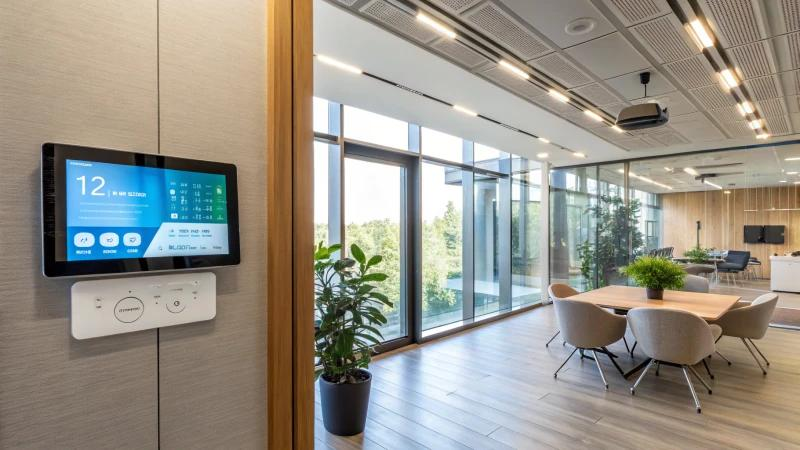
Every vendor is now pushing “human-centric” or “circadian” lighting. Before you commit to the premium pricing, understand what you’re actually buying.
The research on circadian impact is solid—but most commercial applications don’t need the full spectrum tuning that delivers those benefits. Open-plan offices with good daylight penetration typically see 80% of the benefit from simple daylight harvesting + tuned white temperature (3200K-6500K range). Full circadian systems with dynamic spectrum matching are justified primarily in healthcare settings, shift work environments, and premium hospitality.
For most of our wholesale clients, I’d recommend: tuneable white drivers (2700K-6500K), daylight-linked dimming, and scheduling. That’s enough to hit most LEED/WELL points without the six-figure commissioning costs.
Integration Reality
Here’s the uncomfortable truth: most “smart building” projects fail on integration, not on luminaire selection.
The lighting system might be perfect. The BMS vendor might be reputable. But when you try to get occupancy data from lighting to feed the HVAC, or daylight setpoints shared with the motorized blinds—expect friction.
My recommendation: before specifying any smart lighting system, get the integration requirements in writing from whoever’s responsible for BMS. Confirm the API exists, the data format is documented, and—critically—that someone has actually done this integration before at another site.
BACnet is the safest integration path for large commercial. It’s ubiquitous in building automation and most major lighting controls support it. KNX still has European market share but requires specialized knowledge. Anything proprietary should raise your risk flag.
What This Means for Your Procurement
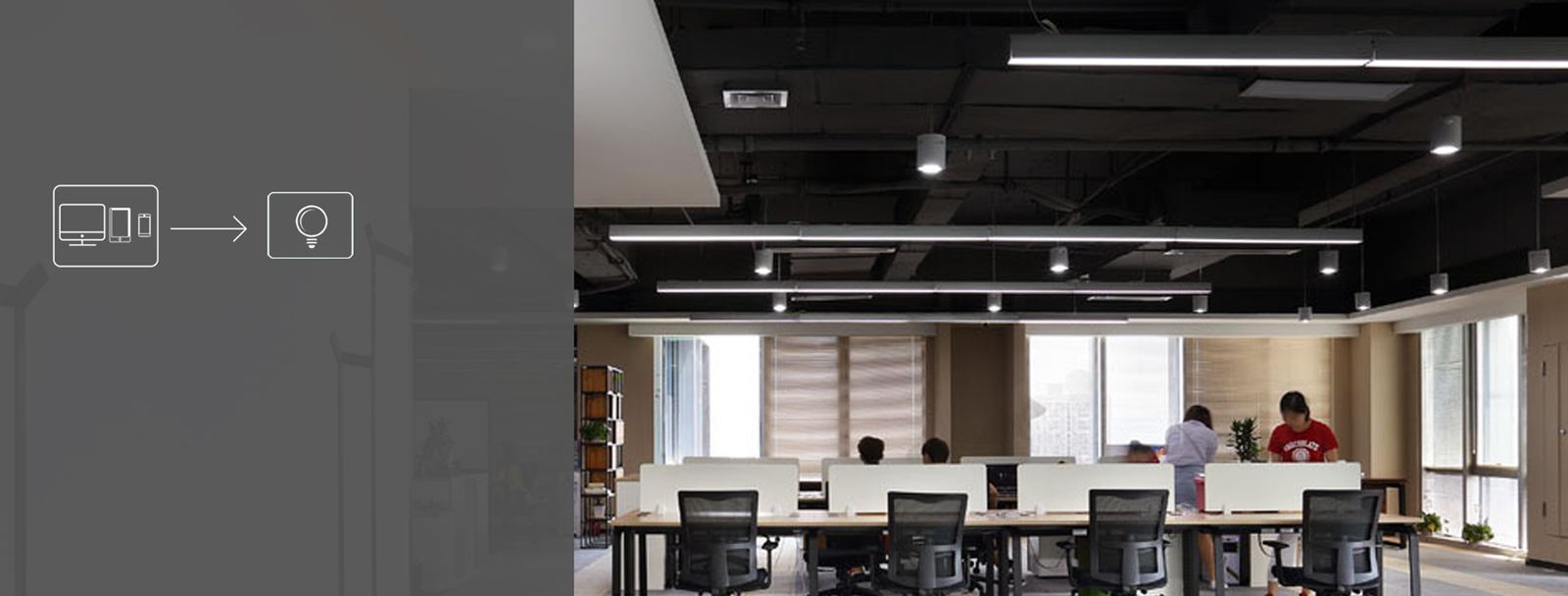
If you’re sourcing luminaires for commercial projects with smart controls:
-
Verify protocol compatibility — don’t assume DALI-2 means DALI-2. Check the specific profile and whether commissioning tools are included.
-
Demand load shedding specs — in an office building, emergency lighting needs to stay on while general lighting dims. Make sure your spec handles that hierarchy.
-
Commissioning isn’t optional — cheap luminaires with expensive commissioning problems aren’t a deal. Build in proper startup support from the manufacturer.
-
Consider the commissioning software — some vendors lock you into their ecosystem. Others support third-party tools. Open ecosystems reduce long-term risk.
At YoubeeLight, we work with commercial project buyers to specify control-ready luminaires that integrate with all major protocols. If you’re evaluating options for a specific application, our team can walk you through the practical tradeoffs based on real installation experience.
