
Why Your Retail Store Lighting Sucks (And What Actually Works)
I walked into a boutique last week in Lisbon. Beautiful clothes, decent layout, decent furniture. But the moment I stepped in, something felt off. Took me 30 seconds to realize: the lighting was washing everything out. The whites looked gray, the warm tones looked muddy, and I had zero desire to touch anything.
This is a $50,000 mistake I see constantly. Not in budget projects—those owners know they’re cutting corners. I’m talking about retail spaces that spent serious money on fit-out but got the lighting wrong because they trusted the wrong advisor.
The Real Purpose of Retail Lighting
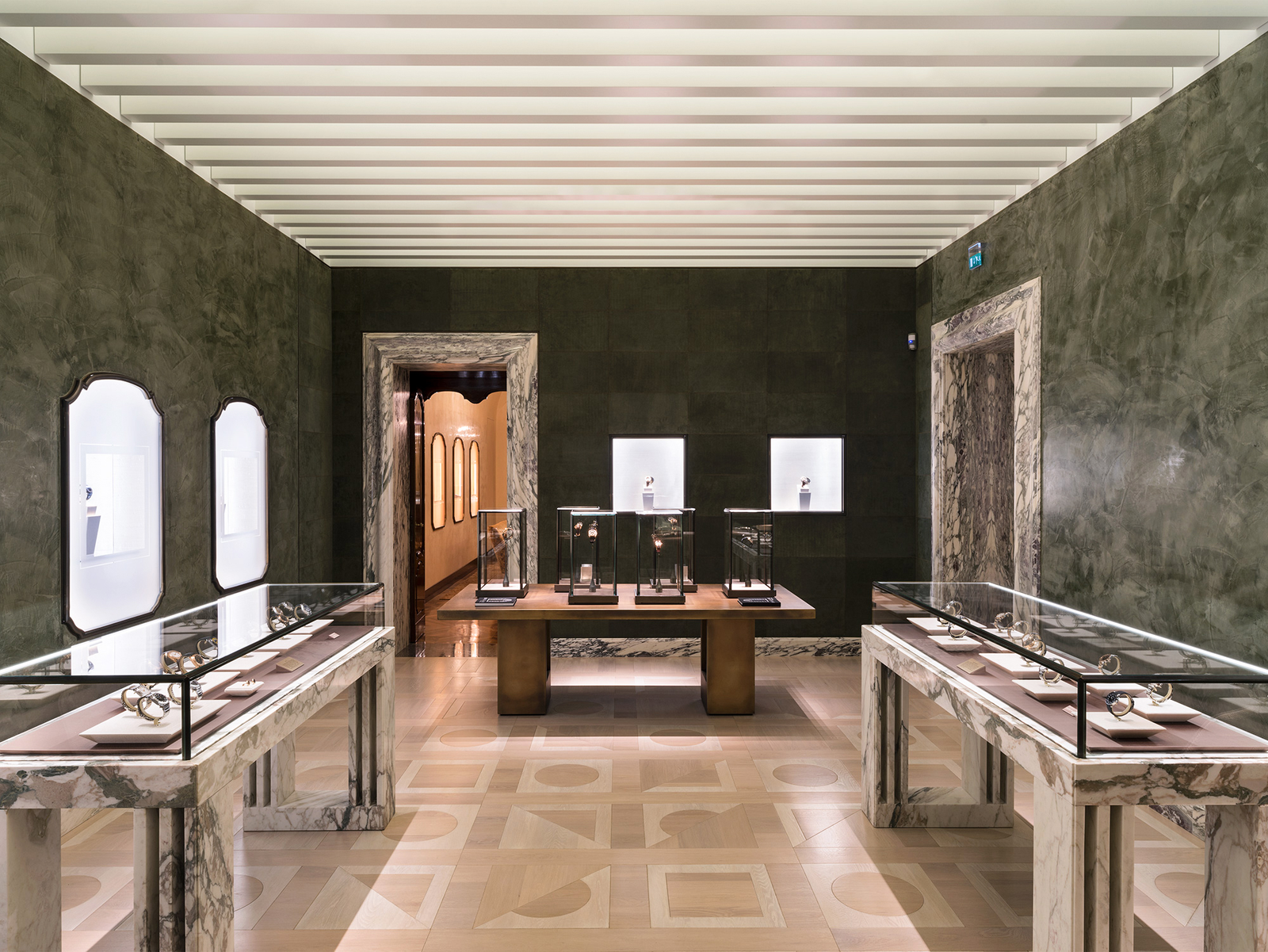
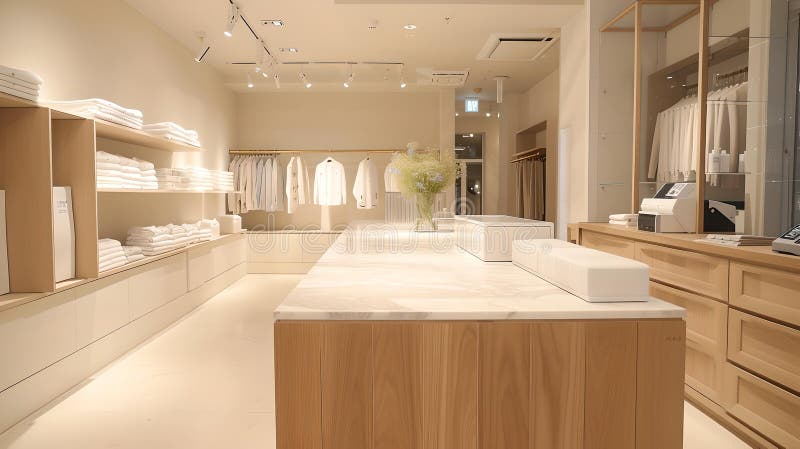
Store lighting is not about making the space look nice. It’s about manipulating how products look to customers under the specific lighting conditions they’ll encounter outside your store.
Most people shop in natural daylight. Average European daylight is around 5000K with a CRI of 100. If your store lighting doesn’t bridge that perceptual gap correctly, products look different inside than they did online or in their mental image. That disconnect kills conversions before customers even consciously notice it.
Three lighting functions you cannot skip:
Product rendering
This is what the LEDs actually do to product colors. Not “warm ambiance” or “modern feel”—actual color rendering performance. For fashion retail, you need high R9 (red tones in skin, leather, warm fabrics) and R13 (skin tones). For jewelry or cosmetics, you need R15 for neutral skin representation. Generic “high CRI” specifications don’t cut it.
Visual hierarchy
Light draws attention. Your key display areas—featured products, new arrivals, checkout—should be 2-3x brighter than surrounding areas. This isn’t theory; it’s basic retail neuroscience. If your entire store is uniformly lit, nothing stands out.
Shadow and depth
Flat lighting kills dimensionality. Products look two-dimensional. A slight directional component—track lighting with proper aiming angles, not just straight down—creates shadows that make products look three-dimensional and touchable.
The Color Temperature Trap
Most retailers default to 3000K or 4000K based on “warm vs. cool” thinking. Here’s the actual decision framework:
4000K neutral white works for:
– Electronics and tech retail
– High-contrast modern brands
– Stores with significant natural daylight contribution
– Fast-fashion with lots of white/neutral merchandise
3000K warm white works for:
– Luxury, heritage, or artisanal brands
– Wood, leather, warm-toned merchandise
– Spaces with warm material palette (wood, brass, bronze)
– Evening or intimate atmosphere brands
2700K or below is almost never correct for retail. It creates overly intimate, “close of day” feeling that ages products visually and makes whites look dirty.
The dangerous middle ground: 3500K. This is neither warm nor neutral. It creates a vaguely institutional feel that serves no brand well. Avoid it.
Track Lighting: The Most Misused Fixture in Retail
Track lighting exists in 90% of retail stores and is installed correctly in maybe 20% of them. The problems:
Too many heads
More fixtures doesn’t mean better light. It means more visual clutter on the ceiling and overlapping pools of light that create hot spots and dark areas. Calculate actual foot-candle requirements and spec accordingly.
Wrong beam angles
Narrow beams (15-25°) for accent lighting on featured displays. Medium beams (35-45°) for general product lighting. Wide beams (60°+) only for ambient fill light or very low ceilings. Using 15° fixtures to wash an entire wall is a rookie mistake.
Improper aiming
The fixture should be aimed at the product, not the floor. More specifically: aimed at the part of the product where the customer looks first. For clothing: chest height on a hanging garment. For accessories: the display surface. For folded merchandise: the top surface.
Lack of adjustment consideration
Retail stores rearrange constantly. If your track can’t be easily re-aimed or your heads are hardwired with no swivel range, you’re locked into one layout forever.
The LED Driver Issue Nobody Mentions
Flicker is real. Not the obvious, nauseating flicker of bad LEDs—but the subtle, invisible pulse that reduces visual comfort without customers knowing why they’re getting headaches after browsing.
Maximum flicker acceptable for retail: 3% flicker percentage. Better performance: <1%. Budget fixtures often run 20-30% flicker.
How to check: Point your phone camera at the fixture. Visible banding on screen = flicker. Doesn’t guarantee 0% flicker in real life, but any visible banding means the fixture is failing this test.
Flicker also affects merchandise perception. Products can appear to have subtle color shifts under flickering light, making color consistency assessment impossible for customers.
What Actually Moves the Needle
After watching conversion rate studies and listening to what retail owners report back:
Dimmability matters more than most people think
Brightness affects purchase psychology. Studies show customers spend 40% more time in dimly lit areas—but buy more from well-lit product displays. Daytime vs. evening lighting should differ. Get dimmable drivers as standard, not upgrade.
Accent lighting ROI is measurable
Switching from general 4000K to accent lighting with proper 3000K warm accents on featured products: clients report 15-25% improvement in featured product conversion rates within 3 months. That’s worth calculating.
Maintenance isn’t optional
Retail lighting burns 12+ hours daily. At that runtime, a 30,000h driver lasts under 7 years. At 50,000h, you get 11+ years. Calculate the labor cost of driver replacements against the fixture cost difference. Usually the expensive fixture wins.
The Question to Ask Before Signing
Before approving any retail lighting specification, ask your supplier:
“What’s your return rate for retail applications, and what’s actually failing?”
If they say “very low” without specifics, that’s a red flag. The suppliers who track this know exactly what’s failing—usually drivers, usually in the first 18 months, usually due to thermal management in enclosed track heads.
Ask for documented failure rates by application. Ask for the thermal testing data for enclosed fixtures. Ask what their driver derating curve looks like at elevated ambient temperatures.
A good supplier will have this data ready. A trader will change the subject.
Bottom line: Retail lighting is a conversion tool. Every design decision should trace back to “how does this make products more appealing and customers more likely to buy?” If your lighting supplier can’t connect their recommendations to measurable outcomes, find one who can.
Related Reading:
- LED Product Catalog – Browse our full range of commercial LED lighting solutions
- About YoubeeLight – Professional OEM/ODM LED manufacturer with 15 years experience
