
Most buyers look at wattage and lumens first. That’s the wrong starting point.
After 15 years sourcing commercial lighting from Chinese factories, I’ve learned that color temperature (CCT) and Color Rendering Index (CRI) are the specs that determine whether your client loves the lighting or wants to tear it out and start over. WATTAGE IS FREE INFORMATION. These two specs tell you everything about how the light performs in the real world.
Why 4000K vs 5000K Can Make or Break a Project
The first commercial project I spec’d wrong was a dental clinic. I chose 5000K LED panels because “bright is good for medical.” The dentists hated it. Called it “cold” and “sterile.” We ended up swapping everything to 4000K at a cost of $3,200.
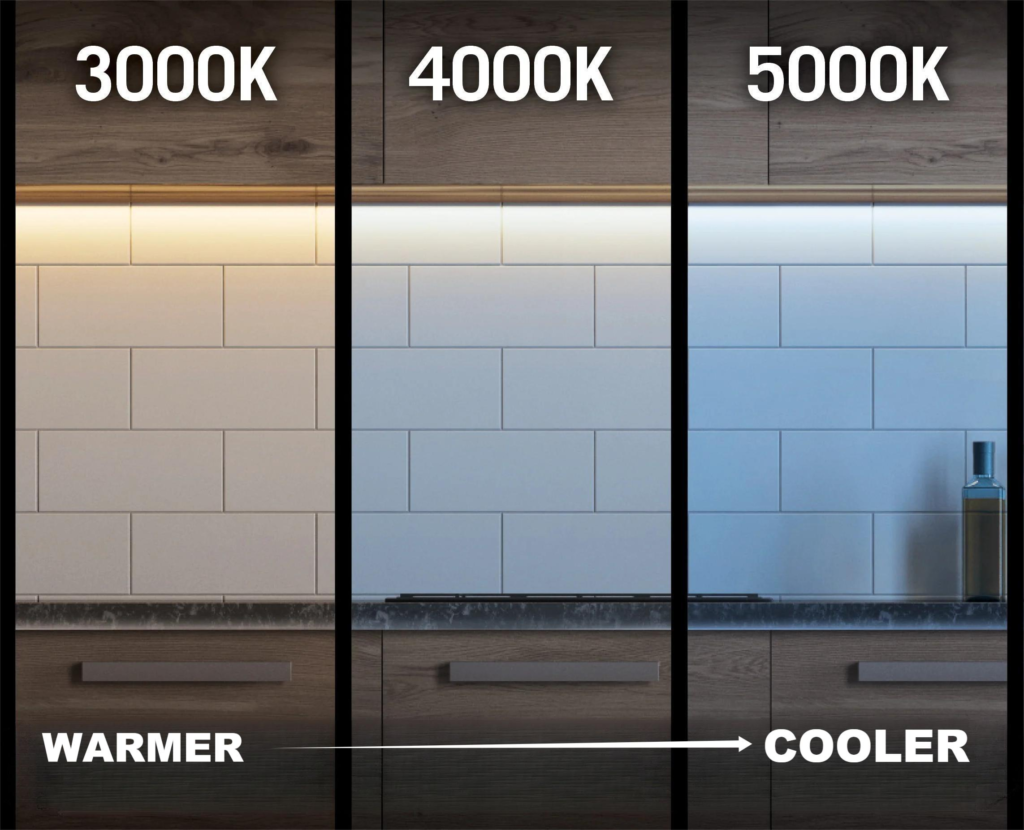
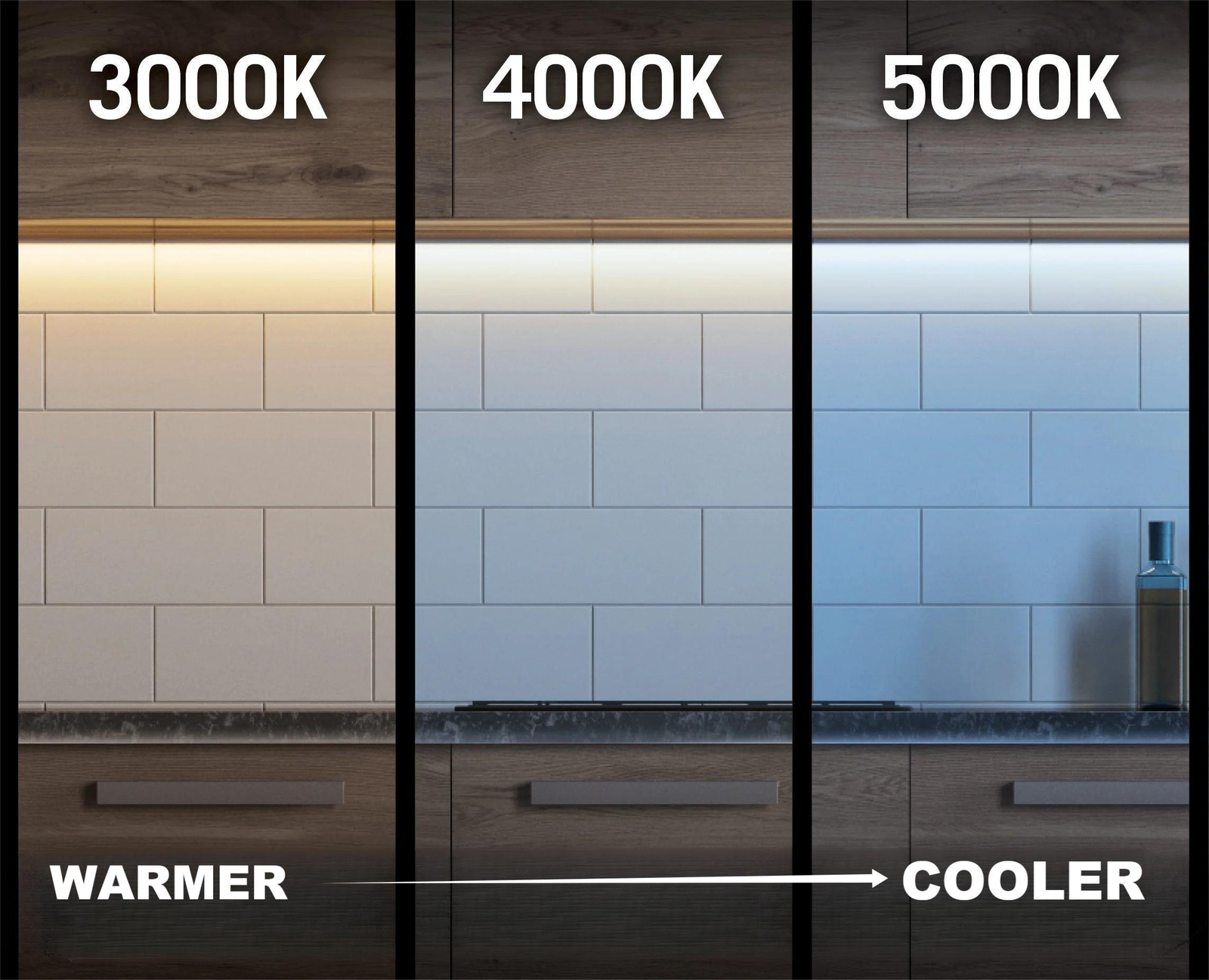
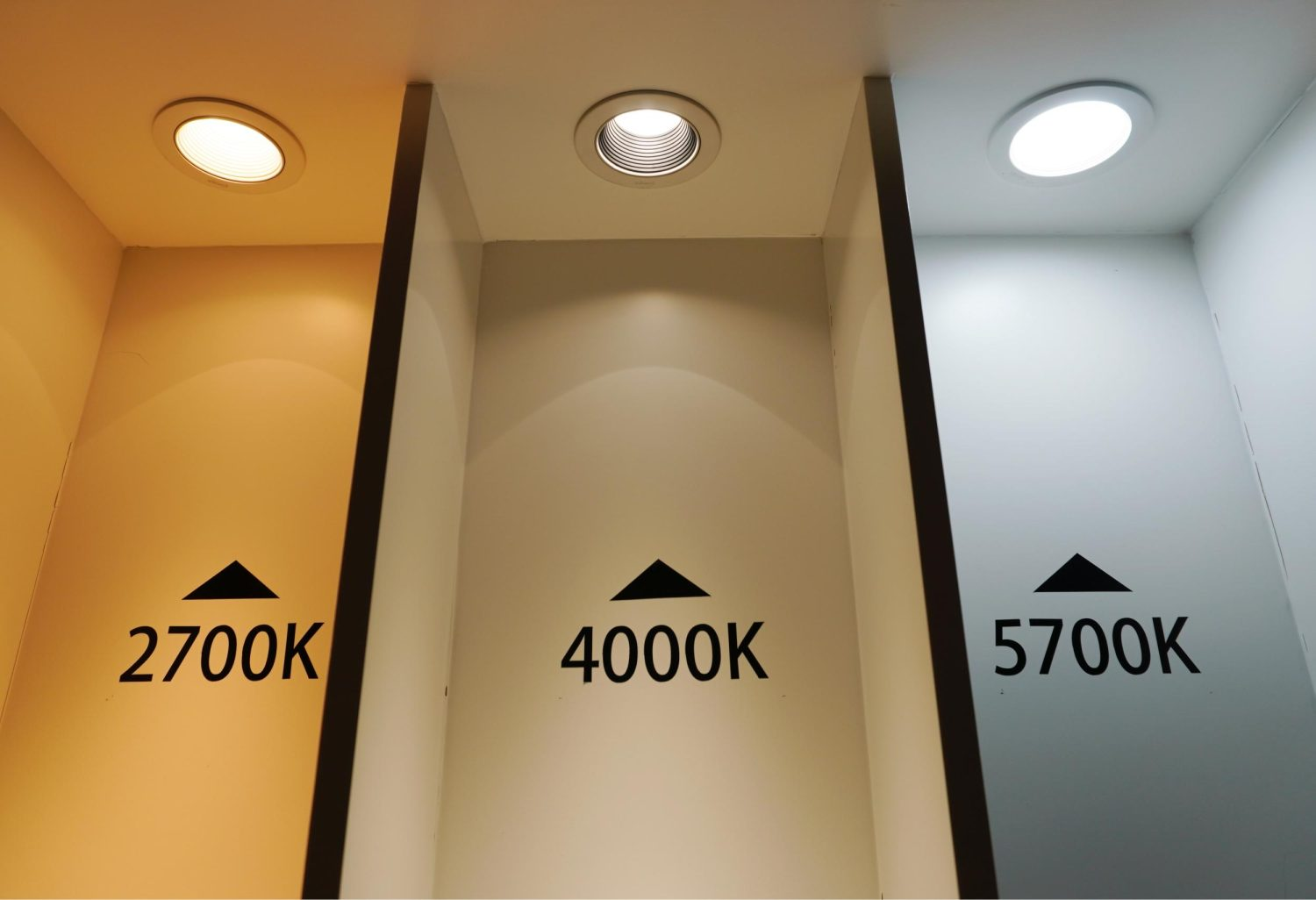
The Kelvin scale is your friend, but only if you understand the application:
- 2700K-3000K: Warm white. Think hospitality, residential, restaurants. Creates intimate, cozy atmosphere. Not for task lighting.
- 3500K-4000K: Neutral white. The sweet spot for most commercial interiors—offices, classrooms, retail. Feels clean but not harsh.
- 4500K-5000K: Cool white. Warehouses, parking garages, industrial spaces. Maximizes perceived brightness.
- 5700K-6500K: Daylight. Daylight simulation, some industrial applications. Can cause eye fatigue in office settings.
My rule: If the client says “make it bright,” they’re thinking 4000K-5000K. If they say “make it feel nice,” start at 3500K and go warmer if needed.
CRI: The Spec That Separate Pros from Amateurs
Here’s where most buyers get burned. CRI 80 vs CRI 90 looks identical in a catalog. Put them side by side in a retail store and you’ll see why your client calls you asking “why do my clothes look weird?”
CRI measures how accurately a light source renders colors compared to natural sunlight (index of 100). Here’s the practical breakdown:
- CRI 70-75: Budget industrial use. Parking lots, warehouses where color accuracy doesn’t matter. Fine for 90% of industrial applications.
- CRI 80: The minimum for commercial interiors. This is what most “standard” commercial LED products deliver. Acceptable for general office spaces.
- CRI 90+: This is where you want to be for retail, galleries, medical facilities, restaurants. High-end supermarkets switched to CRI 90+ fluorescent in the 1990s—LED finally caught up at reasonable price points around 2022.
The SDCM Problem Nobody Talks About
CRI is an average. Two products both rated CRI 90 can render colors very differently because CRI doesn’t measure consistency across the color spectrum. That’s where SDCM (Standard Deviation of Color Matching) comes in.
SDCM measures color variance in MacAdam ellipses. Target is SDCM <3, which means colors appear identical. If you spec CRI 90 from Supplier A and CRI 90 from Supplier B, but Supplier A runs SDCM <2 and Supplier B runs SDCM <5, you’re going to see visible differences between fixtures.
Matching CCT and CRI to Real Applications
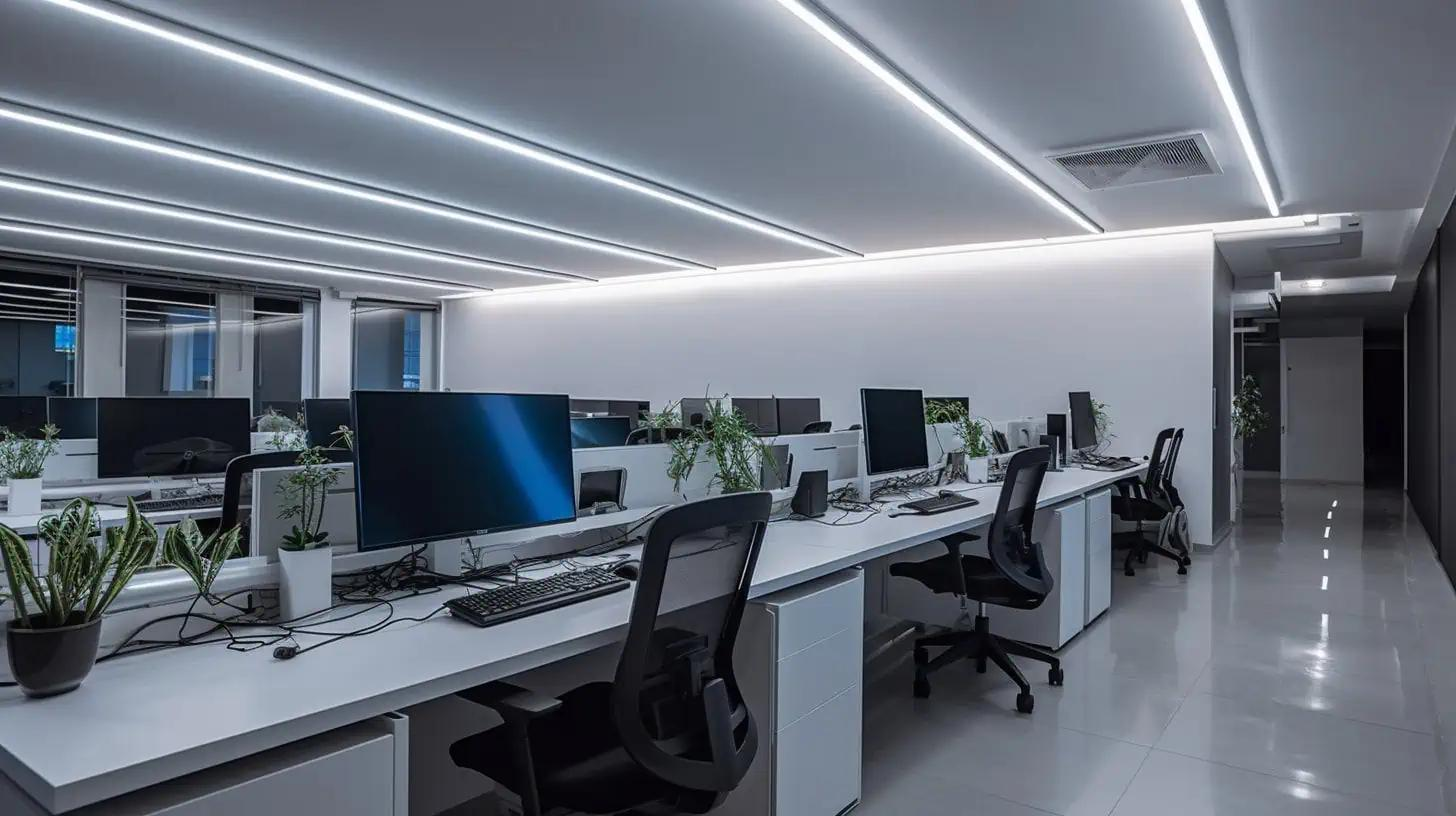
Office Buildings: 4000K, CRI 80 minimum, CRI 90 preferred for open-plan areas where employees spend 8+ hours. I’ve seen productivity studies citing 5-7% improvement with proper lighting specs—hard to quantify but real.
Retail Stores: 3500K-4000K, CRI 90+. Clothing retailers lose sales when blue shirts look purple under cheap LEDs. Grocery stores discovered this the hard way—meat looks gray under low-CRI lighting, which affects perceived freshness.
Healthcare Facilities: 4000K for general areas, warmer (3500K) for patient rooms. CRI 90+ for exam rooms where accurate skin tone matters for diagnosis.
Warehouses and Industrial: Don’t waste money on high CRI here. 5000K, CRI 70-75 is fine. Focus your budget on proper light levels (foot candles) and uniformity.
Educational Facilities: 4000K, CRI 85+. Research shows students perform better under 4000K than warmer or cooler temperatures. Some districts are now specifying tunable-white systems that shift from 3500K in the morning to 5000K mid-day.
How to Specify Without Getting Ripped Off
Chinese manufacturers will tell you their product is CRI 90. Request a test report (typically from third-party labs like IES or BACL). Factory-provided “CRI test reports” are often fabricated or measured under optimal conditions that don’t match production.
My sourcing checklist:
- Request LM-80 test reports for LED chips (verifies long-term lumen maintenance)
- Ask for IES TM-30-18 color rendition reports (newer standard that supplements CRI with fidelity and gamut metrics)
- Get color consistency reports showing bin distribution
- Order samples and compare side-by-side before volume orders
- Specify SDCM <3 if color consistency matters for your application
Price vs. Performance Reality:
- CRI 80 products: 15-20% cheaper than CRI 90 equivalents
- CRI 90 with SDCM <3: Expect 25-35% premium over standard CRI 80
- If a supplier offers CRI 95 at CRI 80 prices, walk away—they’re lying about one of them
The Bottom Line
Color temperature and CRI aren’t optional specs to fill in. They’re the difference between lighting that disappears into the background of a well-designed space and lighting that becomes a complaint your client calls you about at 9 PM.
Get these two specs right in the specification phase. It costs nothing to spec correctly, and retrofitting because you picked the wrong color temperature will cost you the client.
Need help sourcing commercial LED products with the right specs? YoubeeLight’s LED catalog covers track lights, downlights, and panels with verified CCT and CRI performance data. Our team specializes in helping distributors and project buyers find the right specifications for their applications.
